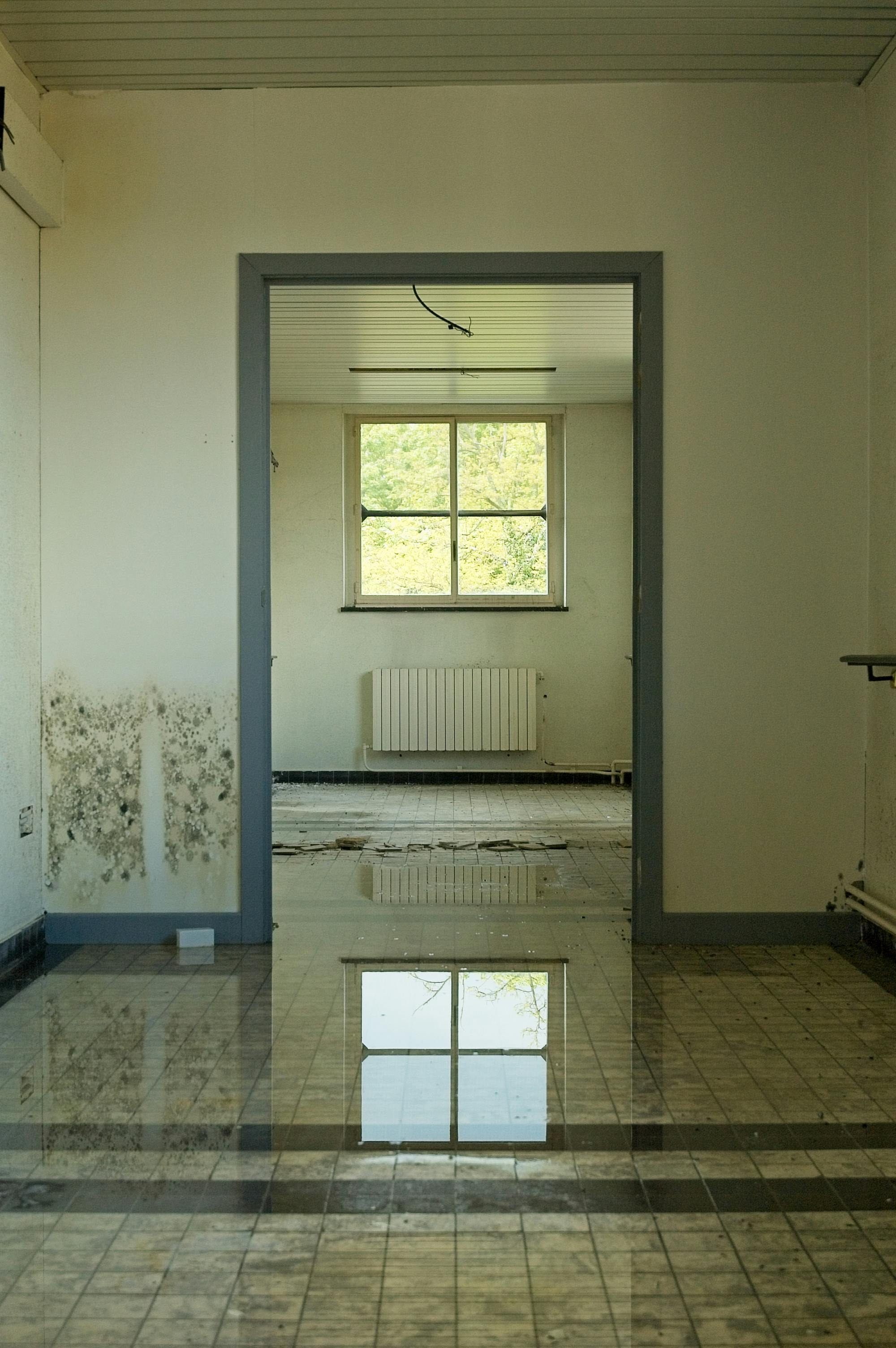
Wall Damp & Rising Damp in Dubai: Causes, Diagnosis and Waterproofing
A practical owner's guide to damp patches, paint bubbling, rain penetration and rising damp on villa and apartment walls — how to diagnose the water path, which waterproofing methods work in UAE heat, and what drives repair cost.
In Dubai and across the UAE, wall damp is one of the most misdiagnosed building problems. Owners see a brown patch, call a painter, and watch the same stain return after the next rainstorm or humid week. The paint was never the failure — water entered through an external crack, a failed window seal, a missing damp-proof course, or a concealed pipe, then migrated through blockwork until it reached the interior finish.
DryGuard.ae has treated wall damp, rising damp and rain penetration on villas, apartments and commercial buildings since 2011. This guide explains how to recognise each pattern, what to check before approving work, and which waterproofing approaches actually stop water in UAE conditions. For service booking, see wall waterproofing Dubai. For short Q&A answers, use the wall waterproofing FAQ.
If the stain starts on a ceiling and spreads downward, start with our water leak in ceiling guide instead. If the problem is underground parking or a villa basement under groundwater pressure, read the basement waterproofing Dubai guide — that is a different water mechanism.
Direct answer
What is wall waterproofing?
Wall waterproofing is the process of stopping water from entering or travelling through external and internal wall structures by sealing cracks, joints and penetrations, treating rising damp, and applying suitable coatings or injection systems so interiors stay dry.
In Dubai it must handle wind-driven rain, extreme UV on exterior coatings, thermal cracking of render, and capillary moisture from irrigated soil or failed damp-proof courses. It is different from roof waterproofing (UV membranes and drainage) and different from basement tanking (hydrostatic pressure from groundwater).
Effective wall work always starts with tracing the water path from the wet patch back to the entry point. Treating only the interior face without sealing the source is cosmetic work that fails again.
Main causes
What causes damp walls in Dubai homes and buildings?
Rain penetration through external render cracks is extremely common on older buildings in Deira, Bur Dubai and many villa communities. Dubai rain may be infrequent, but when storms arrive they are often intense and wind-driven. Water is forced sideways into hairline cracks that look harmless from the street. Once inside the wall cavity or blockwork, moisture travels laterally and downward before appearing as an interior patch that may be metres away from the real entry point.
Failed window and door seals are the second major path. Sealant around aluminium frames hardens, shrinks and cracks under UAE heat. Missing or poorly detailed flashings at window heads allow water to run into the wall. Owners often blame the glass system when the gap is actually in the perimeter seal and render junction.
Rising damp affects ground-floor walls when a damp-proof course (DPC) is missing, bridged by plaster or soil, or chemically exhausted. Moisture from irrigated gardens, poorly drained paving or high local groundwater rises through capillary action. The classic pattern is a band of damage up to about one metre high, with peeling paint, loose skirting, salts and a musty smell near the base.
Concealed plumbing leaks create localised saturation behind tiles or gypsum. Expansion joints on apartment blocks lose their sealants and channel rain into multiple units on the same elevation. Coastal salt air in Abu Dhabi, Fujairah and Ras Al Khaimah accelerates coating failure on exteriors, so walls that were waterproof five years ago may no longer shed water correctly.
Arabic-speaking owners searching for moisture treatment in Sharjah or Ajman will also find our city-focused resources: معالجة الرطوبة في الشارقة and معالجة الرطوبة في عجمان. This English guide covers the same technical problem for a UAE-wide audience.
Diagnosis
How do you diagnose the real source of wall damp?
Start outside, not inside. Walk the elevation above and beside the wet patch. Look for cracked render, open movement joints, stained window heads, blocked gutters spilling onto walls, and soil or planters banked against the facade. Photograph defects before any interior work begins.
Measure moisture at several heights. Rising damp usually shows higher readings near the floor that reduce as you move up. Rain penetration or a pipe leak can show a wet zone at mid-height or near a bathroom stack. A random cold-surface sheen in humid months may be condensation, not through-wall seepage — that needs ventilation and thermal diagnosis, not injection.
Thermal imaging helps find cooler wet zones and can locate concealed pipe leaks when coordinated with a plumber. Moisture meters confirm whether a wall is still saturated after sealing. Never accept a quotation that only says “repaint and apply waterproof paint” without a source map.
Ask the contractor to write down the suspected entry path, the proposed external works, any injection or DPC steps, drying time, and the interior finish sequence. That written scope is what separates waterproofing from decorating.
Rising damp explained
What is rising damp and how is it treated in UAE villas?
Rising damp is moisture drawn upward from the ground through porous materials by capillary action. In UAE villas it is often worsened by over-irrigation against walls, paving that holds water against the skirt of the building, and plaster that bridges over a DPC so moisture bypasses the barrier.
Treatment usually combines three actions. First, reduce the water load: fix drainage, lower soil levels where possible, and stop sprinklers hitting the wall. Second, reinstate a barrier — commonly a chemical damp-proof course injected into the mortar bed at the correct height. Third, remove salt-contaminated plaster where required and apply a suitable tanking or breathable renovation plaster system so the wall can dry without trapping salts behind sealed paint.
Drying is not instant. Even after the water path is closed, thick walls can take weeks or months to reach equilibrium. Rushing to vinyl paints or non-breathable coatings traps residual moisture and restarts blistering. A professional programme includes drying time and compatible finishes.
Rising damp on a ground-floor wall is not the same as basement hydrostatic pressure. Basements under constant groundwater load need injection and tanking systems designed for negative-side pressure — covered in our basement guide and basement waterproofing service.
Rain and joints
How do you stop rain penetration and expansion-joint leaks?
External crack repair must use flexible materials that tolerate thermal movement. Rigid cement fills in UAE heat often re-crack within one summer. Polymer-modified renders and elastomeric crack fillers, correctly prepared and keyed, handle daily expansion better.
Expansion joints on multi-storey buildings need proper sealant replacement: remove failed material, install backer rod where needed, and apply a joint sealant rated for UV and movement. Incomplete joint work is why whole elevations show damp after a single storm.
Window and door perimeters need clean, dry substrates and the right sealant chemistry. Silicone or polyurethane sealants with correct joint geometry outperform smeared decorative caulk. Flashings at heads should direct water out, not into the cavity.
After sealing, a breathable exterior waterproof coating can shed wind-driven rain while allowing vapour to escape. Non-breathable films on damp walls create new blistering. Product choice must match substrate and climate — European masonry paints without Gulf UV packages often chalk within a few years. For surface coating context, see surface waterproofing for wet areas and our cementitious waterproofing system notes where cementitious barriers are specified internally.
Internal methods
When do you use injection and internal wall waterproofing?
Injection waterproofing seals active cracks where water is still entering through a defined path. Polyurethane resins that react with water are used for wet cracks; epoxy is reserved for dry, stable structural cracks. Injection is common on tower walls and villa cracks that cannot be fully accessed from outside without scaffolding.
Internal cementitious or specialised damp-proof coatings are used after the source is controlled, or where exterior access is limited. Breathable systems allow residual moisture to leave. Non-breathable “waterproof paints” applied over wet plaster are a frequent cause of repeat failure.
If a plumbing leak is confirmed, waterproofing after the pipe repair is essential — gypsum and paint alone will not reverse salt damage. Coordinate plumber and waterproofing contractor so the wet wall is opened, dried and treated in the right order.
Document interior wet zones, take height readings, inspect the matching exterior elevation, and separate rising damp, rain penetration, joint failure and plumbing causes.
2. Stop the water at the entry point
Repair cracks, reseal windows and expansion joints, inject chemical DPC where rising damp is confirmed, or repair pipes if plumbing is the source.
3. Remove failed finishes and salts
Strip blistered paint and salt-contaminated plaster where required. Cleaning salts without stopping water only resets the cosmetic cycle.
4. Apply the specified barrier system
Install tanking, breathable coatings or injection details exactly as the method statement. Reinforce junctions at floors, windows and corners.
5. Allow drying time
Confirm moisture is falling before decorative finishes. Forced early painting is the most common reason “completed” jobs fail within a season.
6. Finish and maintain
Use compatible breathable paints, keep gutters clear, inspect sealants every two years, and keep irrigation off the facade base.
Cost planning
What affects wall waterproofing cost in Dubai in 2026?
Cost tracks access and complexity more than square metres alone. A ground-floor villa rising-damp strip with chemical DPC and replastering is a different budget from rope-access sealing on a Business Bay tower facade. Scaffolding, night work, cladding removal and high-rise permits all move the number.
Material and labour drivers include crack length, number of windows to reseal, joint metres, plaster replacement area, and whether injection is needed. Decorative repainting of a whole elevation after waterproofing is often a separate line item.
Compare quotations by source diagnosis and scope, not by the cheapest per-metre rate. A low price that skips external sealing is not a saving. Broader UAE planning ranges appear in our waterproofing cost per sq ft UAE guide; wall work sits in its own band because of height and access.
Common mistakes
Which wall damp mistakes waste money?
Repainting without exterior repair. Applying non-breathable waterproof paint over wet walls. Ignoring bridged DPCs where plaster or soil shorts the barrier. Filling expansion joints with rigid mortar. Sealing only the room that shows damage while the same elevation joint continues to feed neighbouring apartments.
Another expensive mistake is treating every damp patch as rising damp. Mid-wall patches after storms are usually rain or window-related. Floor-band salts with a clear tide mark are more consistent with rising damp. Wrong diagnosis leads to the wrong product and a second invoice.
Owners also underestimate irrigation. A lush planter against a villa wall can keep the base saturated year-round. Waterproofing without changing watering patterns invites recurrence. Landscape and drainage adjustments are part of a durable fix.
Property types
Villas, apartments and high-rise walls
Villa walls in Jumeirah, Arabian Ranches and similar communities often combine rising damp at the base with rain cracks on exposed elevations. Perimeter drainage and DPC work dominate the programme, with window resealing where aluminium frames have aged.
Older apartment blocks in Deira, Bur Dubai and parts of Sharjah frequently show render cracking and failed joint seals affecting multiple flats on one face. Coordinated building-level joint replacement is more effective than apartment-by-apartment interior painting.
High-rise towers need access planning: rope access or cradles, building management approvals, and careful work around cladding and curtain-wall interfaces. Failed gasket and joint details are common in Business Bay, Downtown and Marina stock. City context: Dubai waterproofing and Sharjah waterproofing.
When to call
When should you book a wall damp inspection?
Book an inspection if paint bubbles return after rain, if a ground-floor damp band keeps spreading, if salts reappear after cleaning, if neighbours on the same elevation share stains after storms, or if you smell mustiness near skirtings despite air conditioning. Do not wait until plaster fails in sheets.
DryGuard.ae inspects before quoting, maps the water path, and issues a written scope with warranty terms for completed work. Call or WhatsApp +971 52 246 2601, or use the contact page. Contractor selection tips that apply across trades are in how to choose a waterproofing company in Dubai.
FAQ
Wall damp questions owners ask first
What causes damp patches on Dubai villa walls?
Most damp patches come from rain entering external cracks or failed window seals, rising damp from ground moisture when a damp-proof course fails, or concealed plumbing leaks. Repainting without sealing the entry path usually fails within weeks.
How do I tell rising damp from a roof or bathroom leak?
Rising damp typically forms a horizontal band on ground-floor walls up to about one metre high, often with salts and peeling paint near the base. Roof or bathroom leaks usually appear higher up, near ceilings, wet areas or after rain on upper floors. Moisture readings at different heights help confirm the pattern.
Can wall damp be fixed without rebuilding the wall?
Yes in most cases. External crack repair, joint resealing, chemical damp-proof course injection, breathable coatings and improved drainage stop water entry so the wall can dry. Full rebuilding is rarely needed unless concrete or blockwork is structurally failed.
Why does paint bubble after rain in Dubai?
Water trapped behind the paint film vaporises when the wall heats or the air conditioning runs, forming bubbles. The paint is not the root cause — water entered through external defects. Seal the exterior source, allow drying, then repaint with a breathable system.
How much does wall waterproofing cost in Dubai?
As a 2026 planning guide, localised ground-floor rising damp treatment often costs less than high-rise facade sealing that needs scaffolding or rope access. Quotes depend on wall area, height, defect type and finish. Inspection is required before a firm price.
More owner questions — chemical DPC, breathable paints, high-rise access, warranties and irrigation — are answered in our wall waterproofing FAQ for Dubai.
Related reading
Connect wall damp to the rest of your building envelope