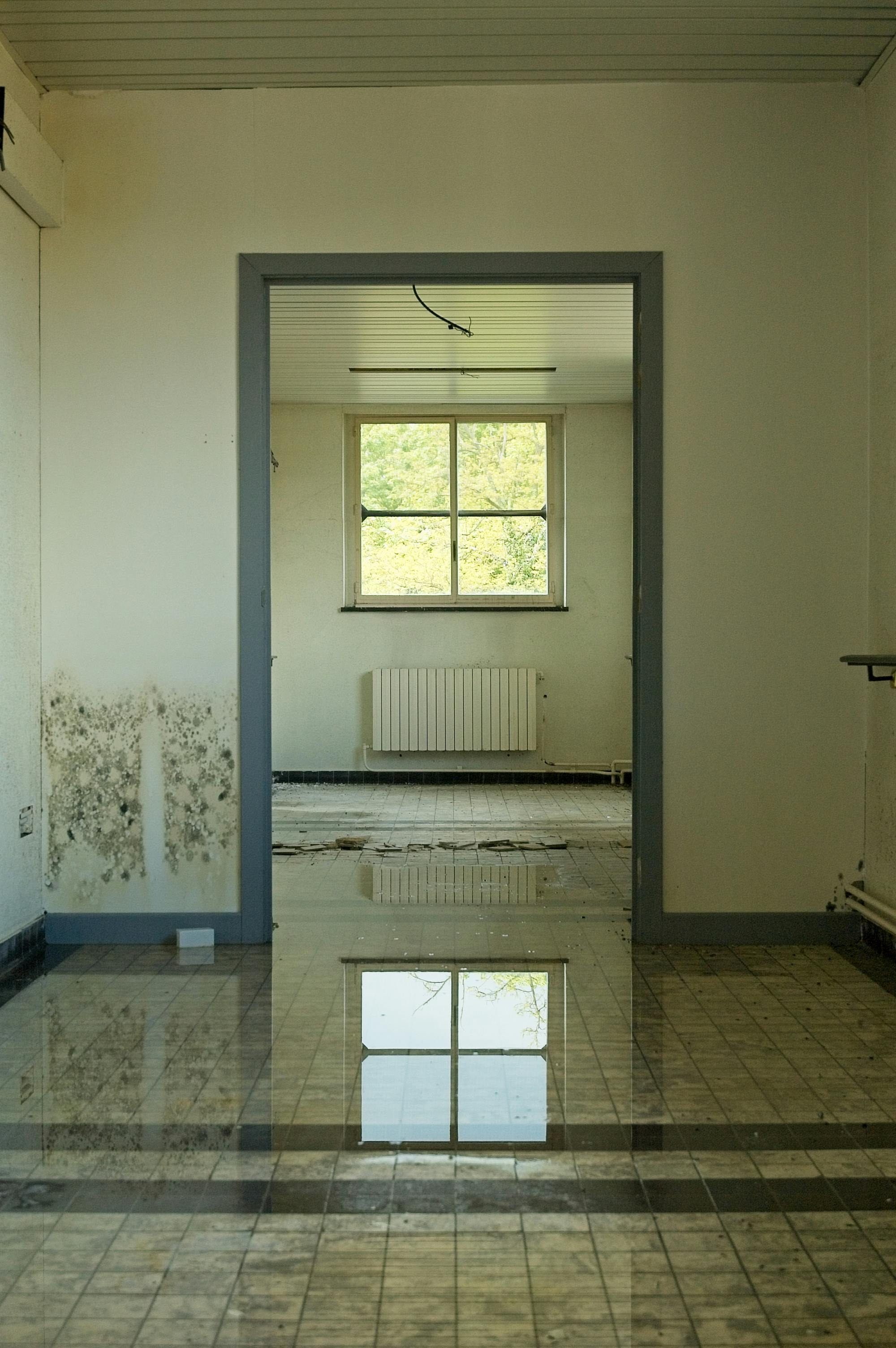
Is rising damp common in Dubai even though the climate is dry?
Yes. Rising damp does not need heavy rainfall. Capillary moisture from irrigated gardens, poorly drained paving, bridged damp-proof courses and local groundwater can keep ground-floor villa walls wet year-round. The dry climate can even hide the problem until paint peels or salts appear.
What is a chemical damp-proof course (DPC)?
A chemical DPC is a water-repellent cream or liquid injected into the mortar bed at a designed height to form a horizontal barrier against rising moisture. It is used when the original DPC is missing, damaged or bridged. It must be installed at the correct level and followed by suitable plaster and finish work.
Can I just use waterproof paint on a damp Dubai wall?
No. Waterproof paint over a wet wall traps moisture, increases blistering and does not seal external cracks, window gaps or rising damp paths. Seal the entry point first, allow the wall to dry, then use a breathable finish compatible with the waterproofing system.
How long does a damp wall take to dry after waterproofing?
Drying time depends on wall thickness, saturation and ventilation. Many Dubai walls need weeks, and heavily saturated masonry can take longer. Contractors should monitor moisture readings before decorative paints. Rushing finishes is a leading cause of early failure.
Why do apartment walls on the same elevation all go damp after rain?
Shared expansion joints, cracked render bands or failed window seals on one facade can feed water into multiple units. Apartment-by-apartment interior painting will not fix a building-level joint failure. Coordinated external sealing of the elevation is usually required.
Do you need scaffolding for villa wall waterproofing?
Ground-floor rising damp and lower-wall repairs often need no scaffolding. Upper elevations, tall villas and tower facades may need scaffolding, cradles or rope access. Access method should be stated in the quotation because it affects cost and programme.
How do window frame leaks differ from rising damp?
Window leaks usually show near openings, lintels or mid-wall zones and worsen after wind-driven rain. Rising damp forms a lower horizontal band from the floor upward with salts and peeling near skirtings. Height-based moisture readings help separate the two.
Can irrigation cause wall damp on a villa?
Yes. Sprinklers and planters against walls keep soil and render saturated, feeding rising damp and splash staining. Redirect irrigation, improve perimeter drainage and keep soil below DPC level where possible as part of any lasting repair.
What warranty should wall waterproofing include?
Expect a written warranty for the treated entry paths and areas named in the scope, with clear exclusions for new cracks, unresolved plumbing leaks and third-party damage. Ask what maintenance — such as sealant checks — keeps the warranty valid.
Is wall damp always a waterproofing issue rather than plumbing?
Not always. Concealed pipe leaks create local wet zones that look like damp patches. A proper survey checks for plumbing signatures before specifying external waterproofing. Fixing pipes without treating damaged plaster — or waterproofing without fixing pipes — both fail.
What is the white powder on damp walls?
It is usually efflorescence — mineral salts left when moisture evaporates. It signals active water movement through the wall. Cleaning salts without stopping the water source is temporary; sealing and correct plaster renewal are required for a lasting result.
Can high-rise external walls be waterproofed while residents stay?
Yes, with planned access and building-management coordination. Work is often phased by elevation or floor. Method statements should cover safety, working hours and protection of balconies and glazing before rope access or cradle work begins.
Should expansion joints be filled with cement?
No. Expansion joints are designed to move. Rigid cement fills crack under thermal cycling and reopen leak paths. Use specified joint sealants with correct depth, backer rod and UV-rated products designed for facade movement.
What should a wall damp quotation include?
It should list the diagnosed source, exterior repairs, any DPC or injection work, plaster removal areas, coating specification, drying allowances, access method, warranty terms and exclusions. Quotes that only price “repaint damp patch” are incomplete.
Does air conditioning cause wall damp?
Air conditioning can create condensation on cold surfaces and can worsen blistering when moisture is already trapped behind paint, but it is rarely the only cause of through-wall damp. Surveyors separate condensation patterns from rain penetration and rising damp before specifying work.
Can breathable paint alone stop rising damp?
No. Breathable paints help walls dry and reduce blistering after the source is controlled, but they do not replace a damp-proof course or stop capillary rise. Rising damp needs barrier reinstatement plus moisture-load reduction at the building perimeter.
How often should facade sealants be checked in the UAE?
Every one to two years is a practical interval for window perimeters and expansion joints, and after major storms. UV and heat age sealants faster than in temperate climates. Early resealing prevents water entering walls long before interior stains appear.
Is wall waterproofing the same as basement waterproofing?
No. Wall waterproofing usually addresses rain, joints, windows and rising damp on above-grade walls. Basement waterproofing fights hydrostatic groundwater pressure with injection and tanking. Some buildings need both, but the systems and detailing differ.
Can damp walls affect indoor air quality?
Yes. Persistent moisture supports mould growth and musty odours that air fresheners cannot fix. Sealing the water source, drying the structure and cleaning affected finishes are required. Dehumidifiers alone without waterproofing usually fail when water keeps entering.
Do coastal UAE cities need different wall coatings?
Coastal locations such as Abu Dhabi, Fujairah and parts of Dubai face higher humidity and salt exposure that age exterior coatings faster. Specifying UV-stable, salt-aware systems and more frequent sealant checks improves durability compared with generic interior paints used outdoors.
When is plaster replacement necessary on a damp wall?
Replace plaster when it is salt-contaminated, hollow, crumbling or trapping moisture against a new barrier. Painting over failed plaster hides damage briefly. Renovation plasters compatible with damp-proofing systems are often specified after rising-damp treatment.
How do I choose a wall waterproofing contractor in Dubai?
Choose a contractor that inspects inside and outside, explains the water path, separates rising damp from rain and plumbing causes, names products and access methods, and provides a written warranty. Avoid phone-only prices for unexplained damp patches.