Bitumen Waterproofing
Bitumen membrane waterproofing is useful for roofs and slabs when laps, terminations, corners and protection layers are installed correctly.
View pageDryGuard.ae
Waterproofing material selection should follow the leak source, surface condition and exposure, not only the product name.
Material selection guide
Search demand around waterproofing materials, waterproofing membrane, bitumen waterproofing, bituminous waterproofing, polyurethane waterproofing, cementitious waterproofing and injection waterproofing shows that customers want more than a quick price. They want to know which system will actually stop the leak. The correct answer depends on whether the problem is exposed roof movement, ponding water, damp walls, basement seepage, bathroom leakage, lift pit water entry or a metal roof joint failure.
DryGuard.ae compares the substrate, moisture level, crack pattern, traffic, UV exposure and drainage before recommending a system. Liquid PU coatings can work well on exposed roofs and terraces, bitumen membranes can suit many slabs and roof details, cementitious coatings are useful in wet areas and concrete surfaces, and injection waterproofing is used for active cracks or joints. This page is written to help buyers understand the method naturally, while also covering high, medium and long-tail waterproofing searches without stuffing words into the content.
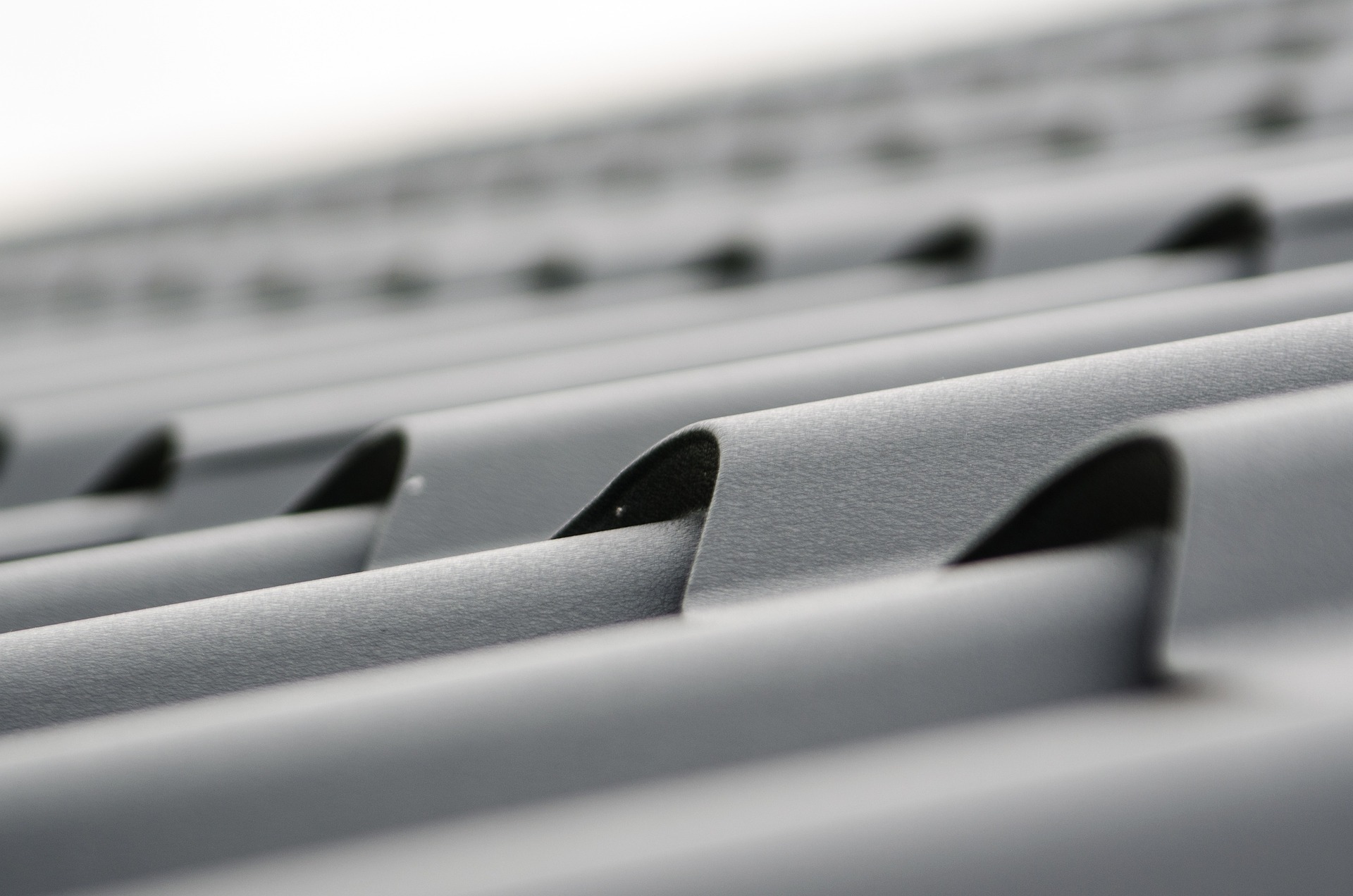
Bitumen membrane waterproofing is useful for roofs and slabs when laps, terminations, corners and protection layers are installed correctly.
View pageCementitious waterproofing works well for bathrooms, tanks, basements and concrete surfaces when the substrate is sound and properly prepared.
View pagePolyurethane waterproofing is a flexible liquid system for exposed roofs, terraces and balconies where movement resistance matters.
View pageCrystalline waterproofing helps protect concrete from water passage through pores and capillaries, especially in basements and tanks.
View page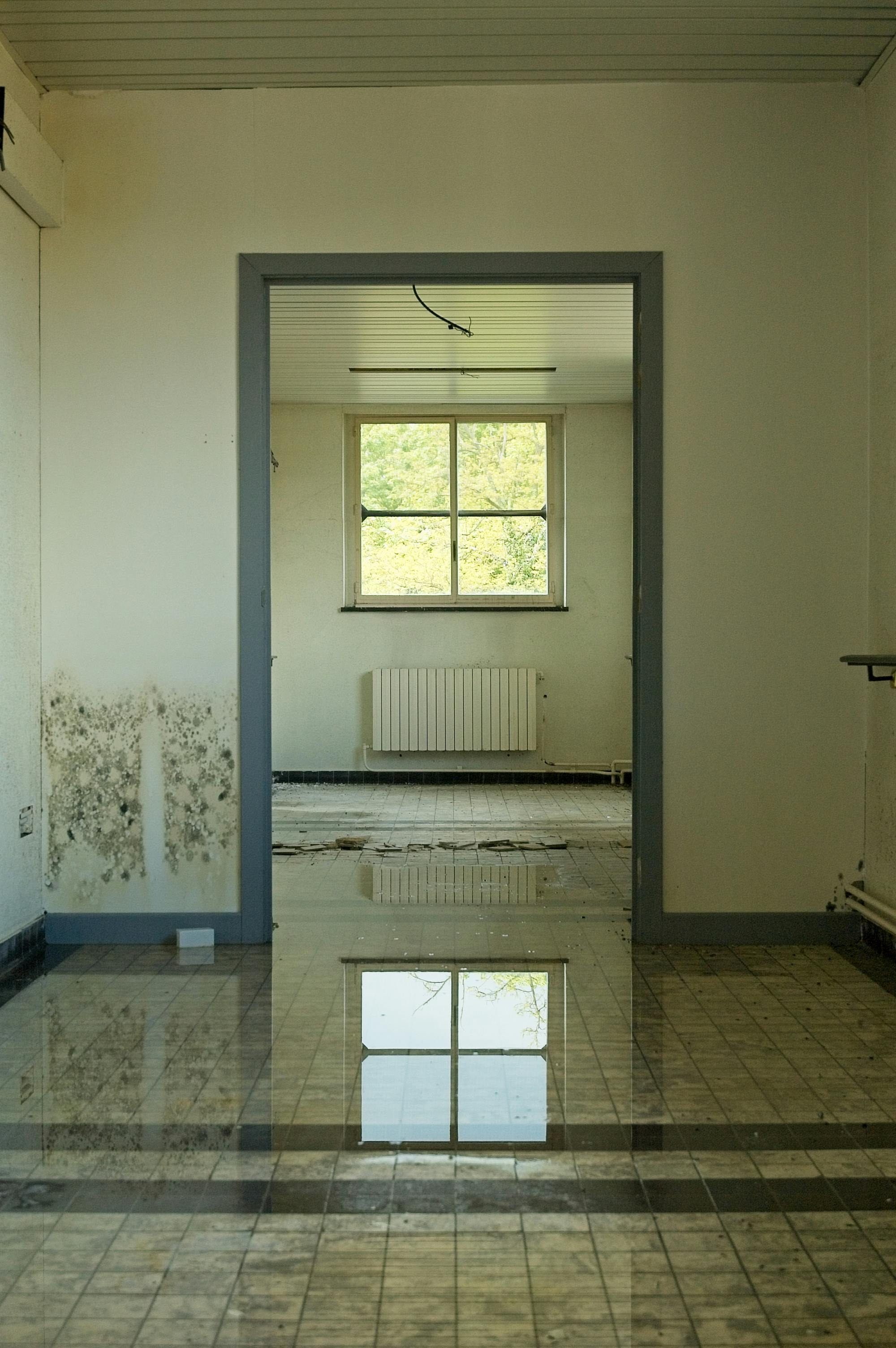
Injection waterproofing targets active leaks through cracks, joints and penetrations without replacing a full structure.
View pageMembrane waterproofing covers sheet and liquid systems for roofs, slabs, bathrooms and terraces where continuous coverage is required.
View pageChoosing waterproofing materials depends on exposure, substrate, movement, drainage, budget and the expected life of the repair.
View pageMatching system to surface
Every system on this page exists to solve a particular problem, and choosing well starts with understanding your surface and its conditions. The mistake we see most often is a contractor applying one favourite product to every job. A membrane that is perfect on a protected flat roof can tear on a moving metal roof; a rigid coating that works in a tank will crack on an exposed terrace. Our materials guide compares all of them side by side, but the summary below shows the typical match.
Polyurethane coatings flex with movement and resist UV, making them the go-to for sun-exposed, trafficked surfaces.
Bitumen membranes give a thick, durable barrier when they will be covered by screed, tiles or insulation.
Cementitious and crystalline systems bond to concrete and resist water pressure, ideal for bathrooms, tanks and below-grade walls.
Injection resins fill and seal live leaks through cracks and construction joints that a surface coating cannot fix.
Compare systems
When comparing waterproofing systems, start with the surface and the leak behaviour. A flat concrete roof exposed to the sun needs a flexible, UV-stable coating, while a protected roof covered by screed can use a thicker bitumen membrane. A bathroom or tank needs a cementitious system that bonds well to damp concrete, and a moving crack needs an injection resin that follows the joint.
The climate in the UAE is a major factor in system choice. Summer temperatures exceed 45°C and roofs can reach 70°C surface temperature. This causes thermal expansion and contraction, which rigid coatings cannot handle. Flexible systems such as polyurethane and SBS-modified bitumen absorb movement without cracking. UV exposure also degrades unprotected materials, so a UV-stable topcoat or mineral finish is essential on exposed roofs.
Below-grade structures face different challenges. Basements, lift pits, and water tanks must resist positive and negative water pressure. Cementitious and crystalline systems can block water passing through the concrete matrix, but they need a sound substrate and proper crack treatment. If a crack is actively leaking, injection resin is often the first repair before any surface system is applied.
DryGuard.ae documents every system selection with the project location, surface condition, product name, thickness, and warranty terms. This record helps with future maintenance and supports any warranty claim. We combine systems when needed, such as a bitumen membrane with liquid detailing, or crystalline treatment with injection repairs. Call +971 52 246 2601 for a system consultation.
Need help
If you are unsure which system is right for your property, call +971 52 246 2601. We will inspect your roof, wall, or basement and recommend the most suitable waterproofing system.