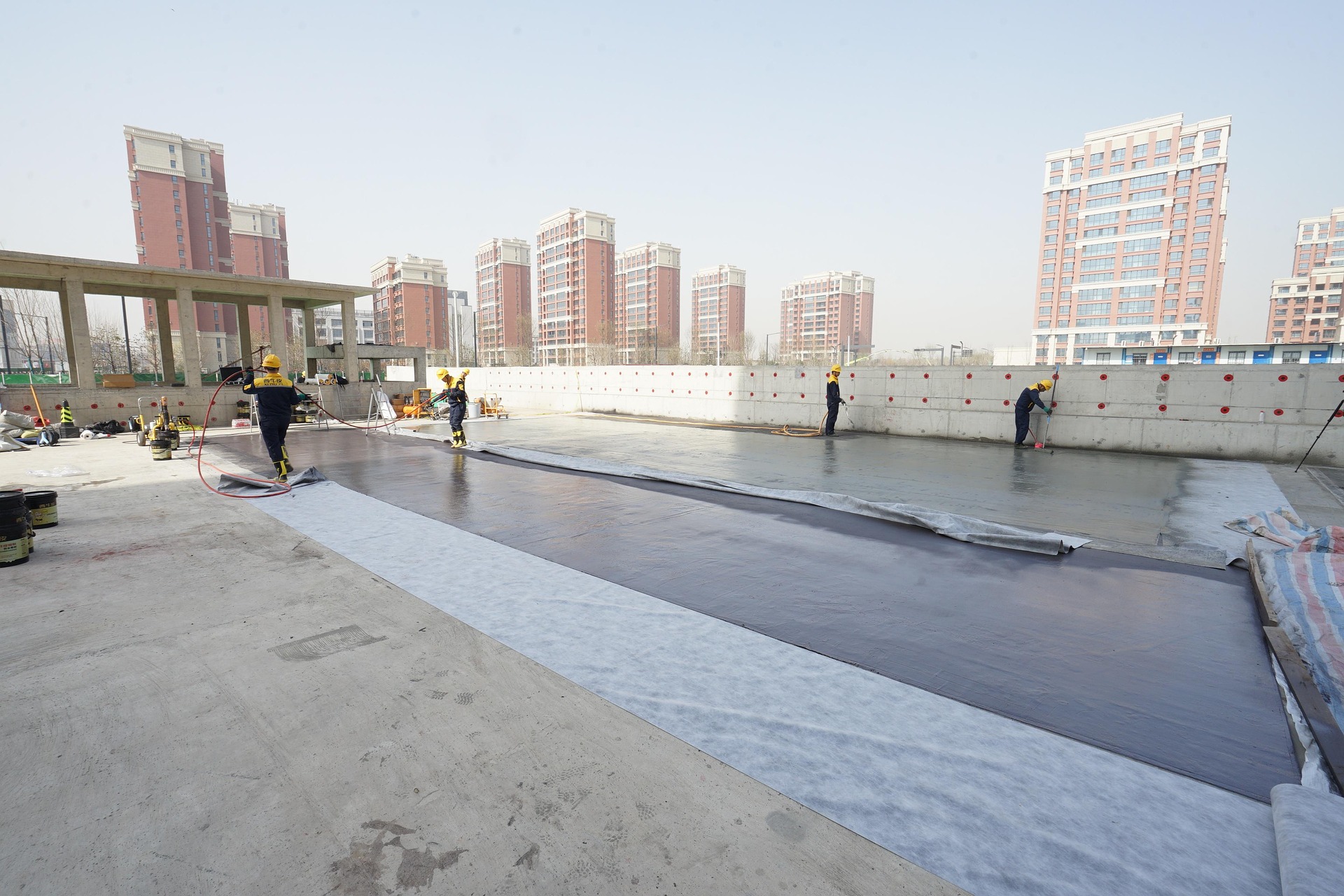
Roof Waterproofing Dubai
Roof waterproofing for villas, buildings, terraces and commercial properties using systems selected for UAE heat, movement and ponding water.
View page15 years of UAE waterproofing work
DryGuard.ae helps villas, buildings, warehouses and commercial properties stop leaks with inspection-led waterproofing systems built for UAE heat, humidity and movement. Free site inspection. Written warranty.
Built for UAE property owners
The site is organized around the problems property owners actually face: roof leaks, basement seepage, bathroom failures, wall dampness, warehouse roof leaks, lift pit water entry and material selection. The content is original, useful and written for real customers while still giving search engines a clear structure.
Core services
Roof waterproofing for villas, buildings, terraces and commercial properties using systems selected for UAE heat, movement and ponding water.
View page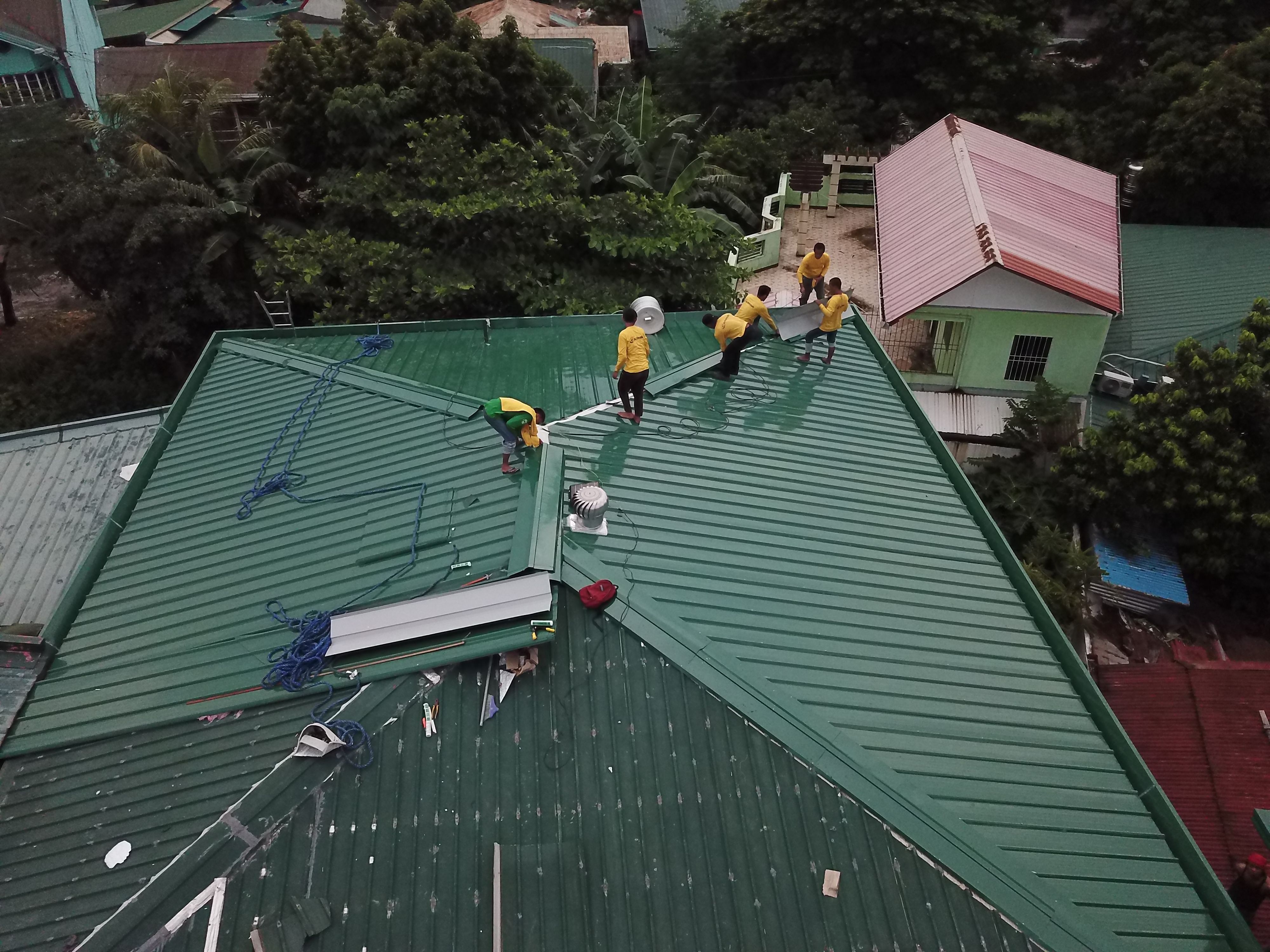
Waterproofing for warehouses, factories, sheds and logistics roofs where leaks usually start from seams, screw lines, gutters and skylights.
View page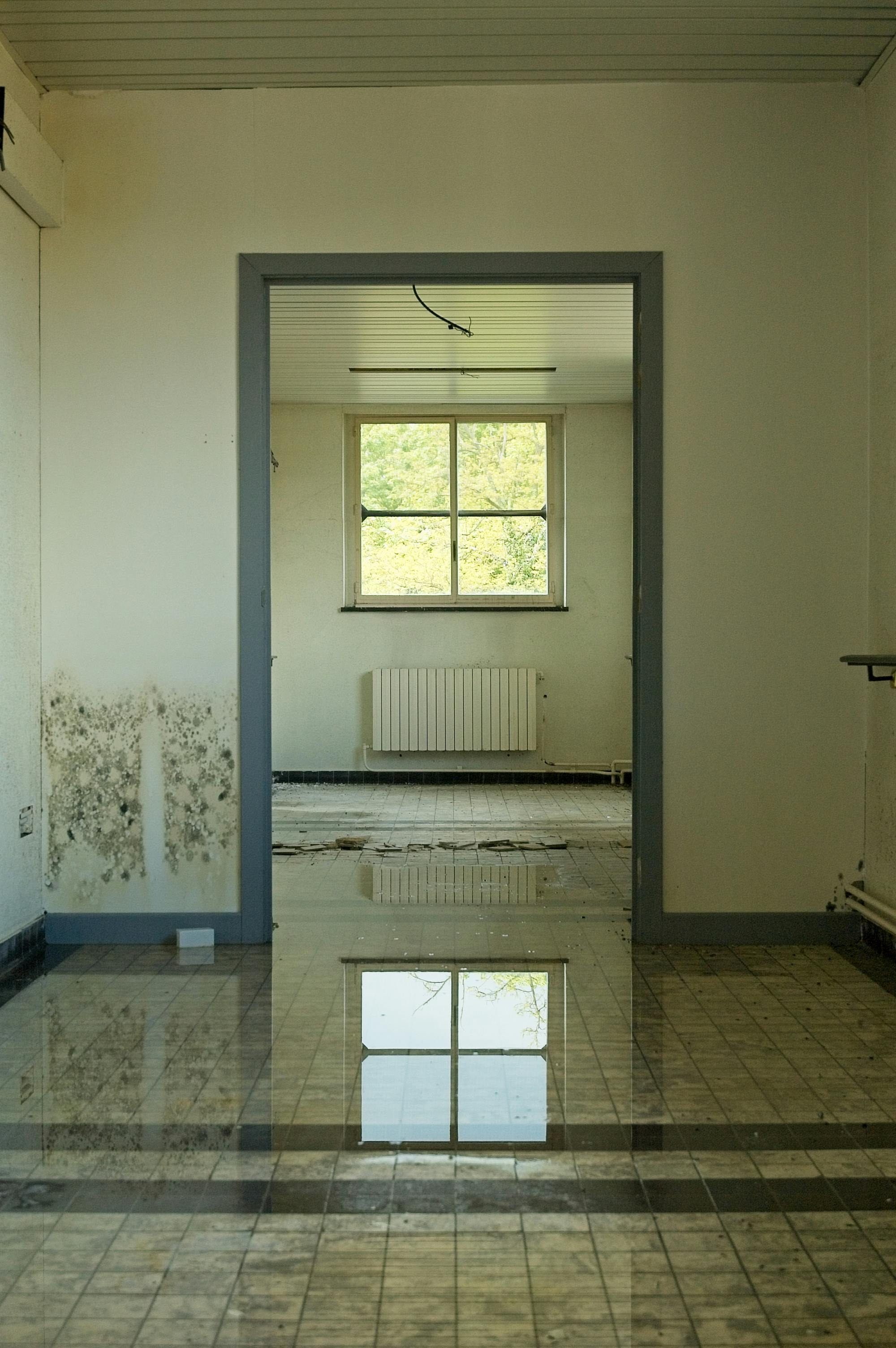
Basement and retaining wall waterproofing for active seepage, damp walls, construction joints and underground parking structures.
View page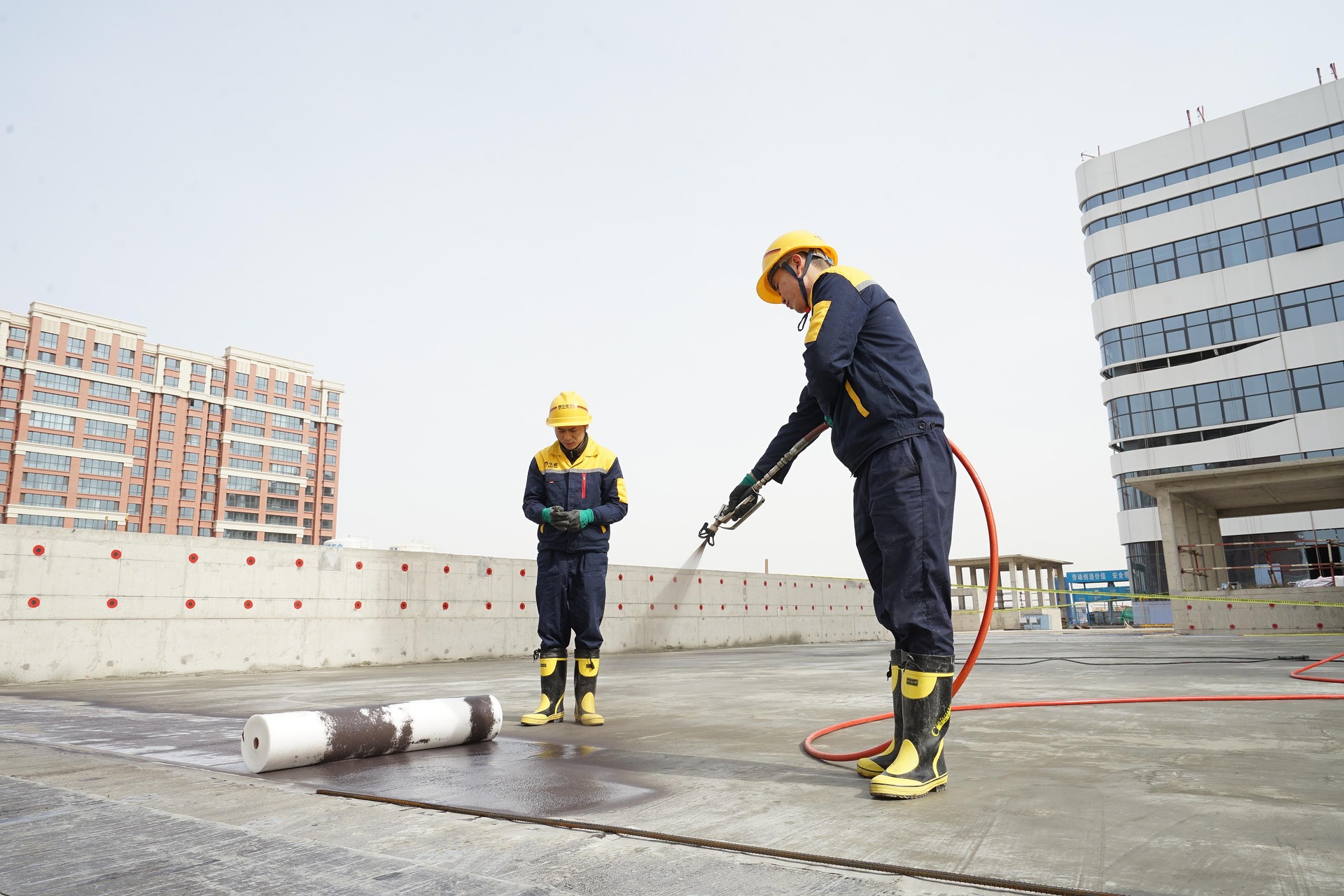
Bathroom, toilet and wet-area waterproofing before tiles or after leak investigation, with careful treatment around drains and pipe penetrations.
View pageExternal and internal wall waterproofing for cracks, damp patches, paint bubbling and rainwater penetration.
View page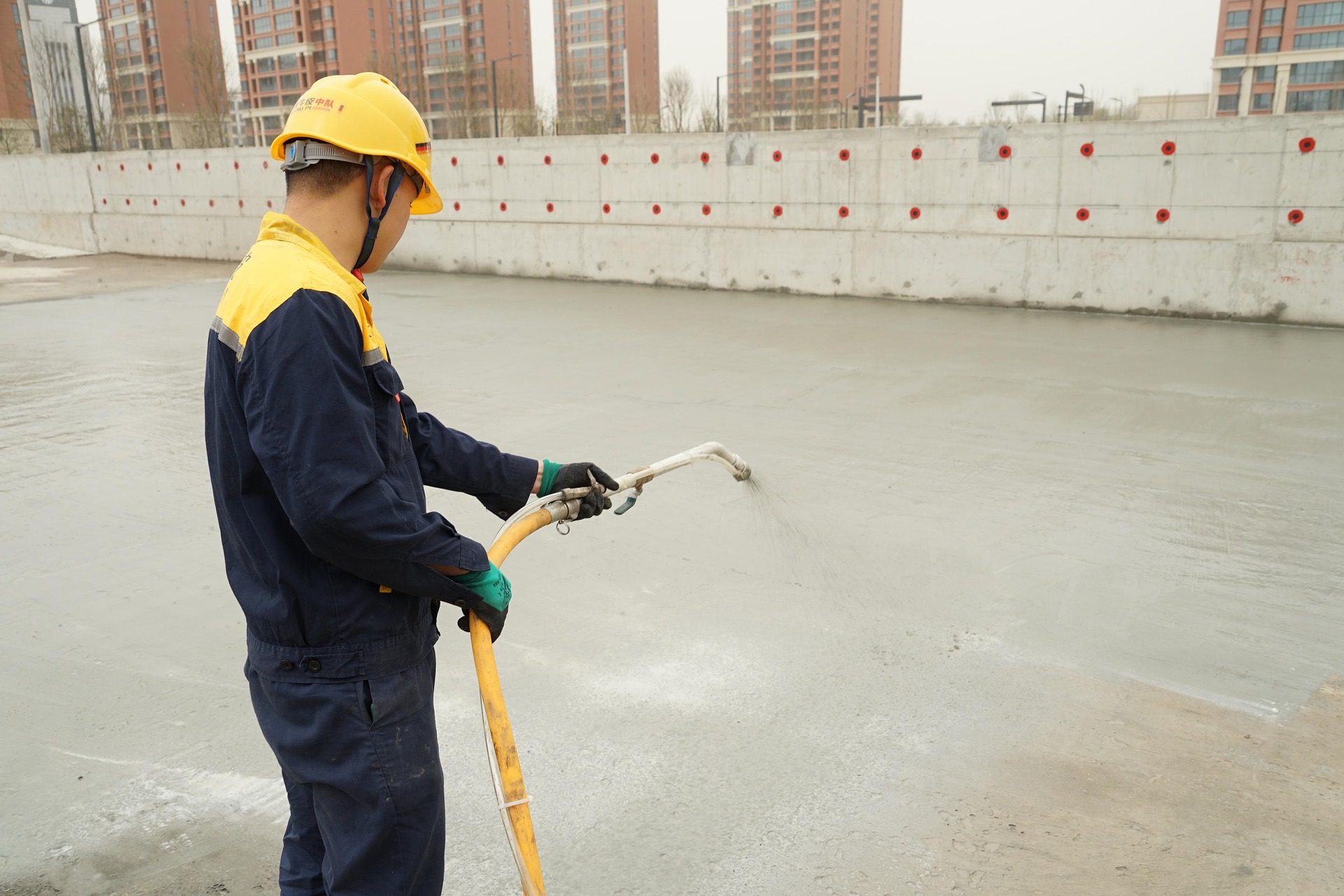
Specialist lift pit waterproofing for active leaks, floor-wall junctions, pipe entries and concrete cracks that can affect elevator equipment.
View pageMaterial expertise
Bitumen membrane waterproofing is useful for roofs and slabs when laps, terminations, corners and protection layers are installed correctly.
Learn moreCementitious waterproofing works well for bathrooms, tanks, basements and concrete surfaces when the substrate is sound and properly prepared.
Learn morePolyurethane waterproofing is a flexible liquid system for exposed roofs, terraces and balconies where movement resistance matters.
Learn moreCrystalline waterproofing helps protect concrete from water passage through pores and capillaries, especially in basements and tanks.
Learn moreInjection waterproofing targets active leaks through cracks, joints and penetrations without replacing a full structure.
Learn moreCity pages
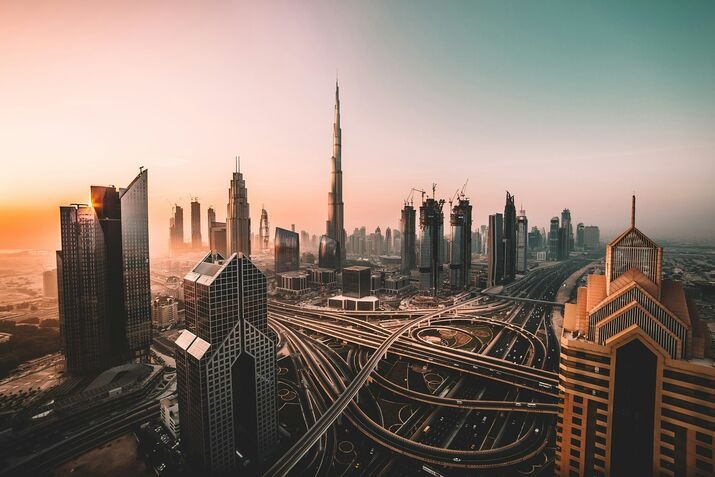
Professional waterproofing support for high-rise roofs, villas, warehouses, bathrooms and basement parking areas.
View page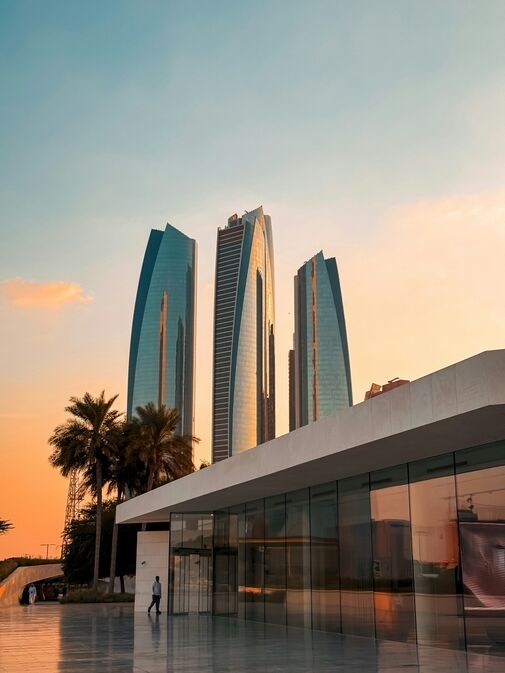
Professional waterproofing support for villas, commercial buildings, coastal properties and government facilities.
View page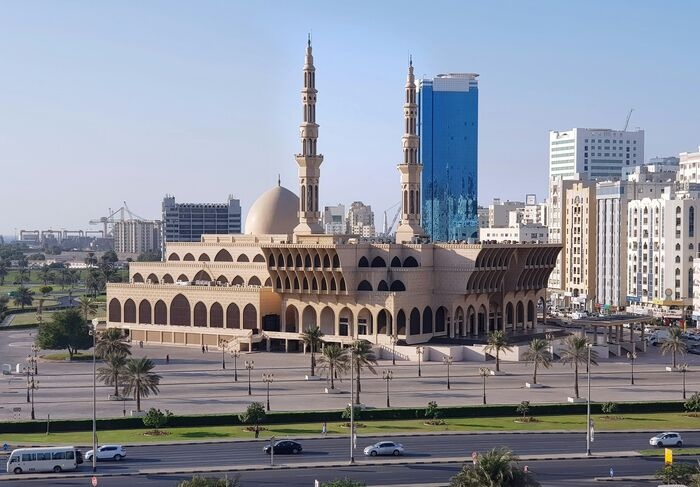
Professional waterproofing support for industrial areas, warehouses, villas and apartment buildings.
View page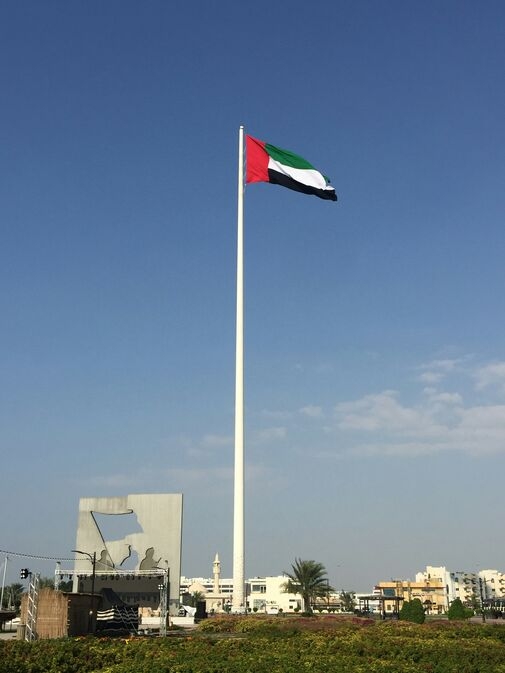
Professional waterproofing support for villas, residential buildings, commercial roofs and wet areas.
View page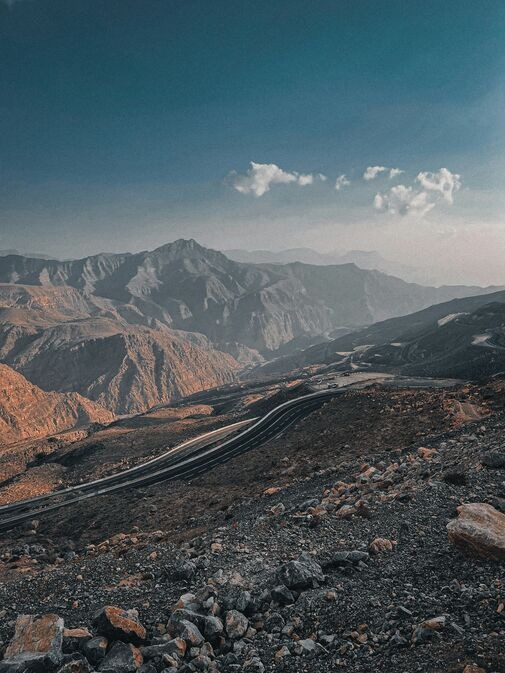
Professional waterproofing support for villas, factories, warehouses and coastal buildings.
View page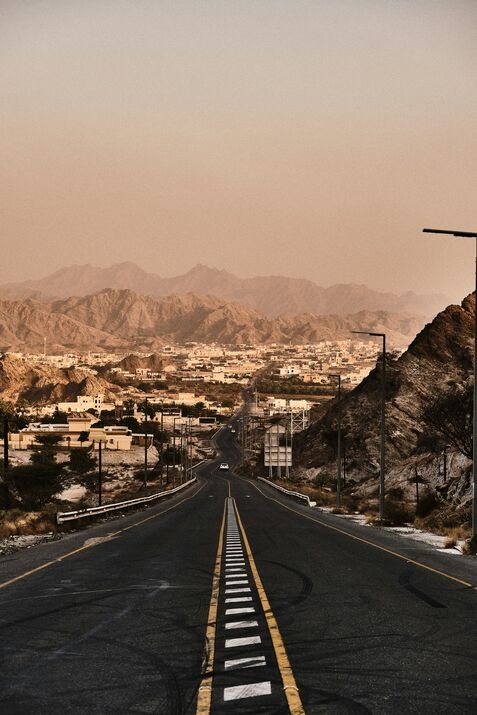
Professional waterproofing support for coastal properties, industrial buildings and roof repair projects.
View page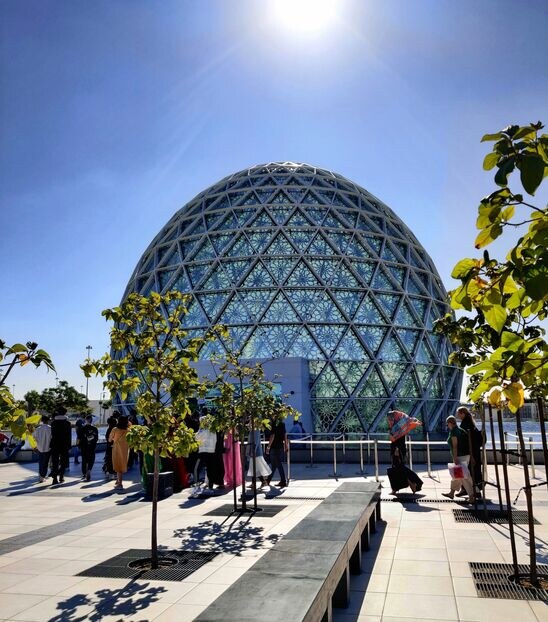
Professional waterproofing support for warehouses, sheds, villas and commercial roof systems.
View page
Professional waterproofing support for villas, water tanks, bathrooms, terraces and flat roofs.
View pageHelpful guides
A practical guide for property owners comparing waterproofing companies, materials and repair methods in the UAE.
View page
A clear comparison of roof waterproofing systems used for villas, buildings, terraces and industrial roofs.
View pagePractical waterproofing topics for customers who already have a specific leak problem.
View pageWaterproofing project photos
Why waterproofing matters in the UAE
UAE waterproofing is not the same as waterproofing in cooler or wetter climates. The dominant challenge is not the amount of rain, it is the combination of extreme heat, high UV, saline groundwater and rapid building movement. In summer, flat concrete roof surfaces can exceed 70°C. Metal roof surfaces can exceed 80°C. This thermal load causes the waterproofing layer to expand and contract every day, and over several years the material becomes fatigued, brittle or cracked.
Another challenge is that many buildings were completed quickly during periods of rapid growth. Waterproofing was often treated as a secondary finish, applied in thin coats without proper detailing at drains, parapets, pipe penetrations and construction joints. When the first few summers pass, these details are the first to fail, and water finds its way through the weakest point.
Groundwater in Dubai and Abu Dhabi also carries salts. When it reaches concrete, the salts can accelerate the corrosion of reinforcement steel and cause concrete spalling. This is a structural issue, not just a cosmetic stain. Basement and foundation waterproofing therefore has to resist both water pressure and chemical attack. In coastal areas, the salt content is higher, so material selection for external walls and metal roofs must account for corrosion.
Maintenance culture is another factor. Many property owners wait until a leak appears before acting. By that point, water has already travelled through the concrete, insulation or ceiling boards, and the repair is more expensive than preventive waterproofing. We recommend an annual roof inspection, especially for flat concrete roofs, metal roofs, terraces and basements, so problems are caught before they cause interior damage.
Why choose DryGuard.ae
DryGuard.ae is a Dubai-based waterproofing contractor focused on inspection, correct diagnosis and durable repair. The company has worked on roofs, basements, bathrooms, walls, terraces, lift pits, warehouses and metal roofs across all seven emirates and Al Ain. The team starts with the leak path, not the product, and chooses a system only after checking the surface, substrate, drainage, movement joints and previous waterproofing history.
Our quoting process is transparent. A site inspection is followed by a written scope, material datasheet, method statement and warranty. We do not recommend a single product for every problem; different buildings need different systems. This approach is the main reason repeat leak rates are low after our work is complete.
We also coordinate with building maintenance teams, facility managers, interior designers and contractors to keep disruption low. Warehouse repairs are scheduled around operations, tower repairs are scheduled with lift contractors, and villa repairs are scheduled around occupancy. Safety, access and cleanup are planned before the first tool arrives.
Our process
We visit the site to identify the actual leak path. For roof leaks, this means checking the surface, drainage, penetrations, parapets and previous coatings. For basement or wall leaks, we use moisture meters and visual inspection to trace the water to its source. For bathrooms, we check the floor-wall junction, drains and pipe penetrations.
We provide a written scope that explains the cause of the problem, the system we recommend, the preparation needed, the application steps and the warranty. We also flag any structural, plumbing or access issues that need to be resolved before waterproofing.
Preparation is usually the most important part of the job. We remove loose coatings, clean drains, repair cracks, treat rust, replace fasteners, rebuild upstands and prime the surface. No membrane performs well over a dirty or damp substrate.
We apply the waterproofing system at the correct thickness and with reinforced details at corners, joints, drains and penetrations. Depending on the system, we may flood-test, hose-test or visually inspect the completed layer before sign-off.
After completion, we provide a warranty certificate, photographic record and maintenance advice. We recommend follow-up inspections at intervals that match the system and exposure of the roof or wall.
Industries we serve
Our work covers a wide range of building types and uses. Each sector has different waterproofing priorities, so we adapt the inspection and system selection to the way the building is used.
Villa waterproofing usually focuses on flat concrete roofs, terraces, balconies, bathrooms, perimeter walls and boundary walls. We work in communities such as Arabian Ranches, Emirates Hills, Jumeirah, The Villa, Mirdif and Al Barsha.
Tower waterproofing involves shared roof slabs, podium decks, basements, lift pits and bathrooms. We coordinate with building management and maintenance teams to access common areas with minimal disruption to residents.
Metal roof warehouses, logistics centres and distribution hubs need waterproofing that also reduces heat. PU foam spray, seam sealing and fastener replacement are common solutions in Al Quoz, Jebel Ali, Dubai Investment Park and Sharjah Industrial Area.
Industrial roofs often have large spans, heavy plant equipment, chemical exposure and strict safety requirements. We use reinforced membranes, corrosion-resistant coatings and insulation systems suited to these conditions.
Public buildings need waterproofing that causes minimal disruption and meets strict hygiene or safety standards. We schedule work around occupancy, use low-odour materials where required and provide clear certification.
Commercial waterproofing protects customer areas, stock rooms, basements and roof plant rooms. We work with facility managers to phase repairs and keep operational areas open.
Frequently asked questions
Usually not. Most leaks can be repaired by treating the entry point, reinforcing details and applying a new waterproofing layer. Replacement is only needed when the roof structure or covering is beyond repair.
With proper installation and maintenance, bitumen membrane systems can last 10-15 years, polyurethane coatings 7-10 years, and acrylic coatings 5-7 years. The actual life depends on exposure, foot traffic and maintenance.
Yes. Most projects are completed while the building remains in use. We schedule noisy or dusty work during off-peak hours, contain dust, and avoid blocking critical access routes.
Water can travel horizontally inside a building before it appears. A visible stain is usually far from the actual entry point. Inspection confirms the source and the right repair approach, so the quote is accurate and the fix is permanent.
Yes. We provide a written warranty for our waterproofing work. The warranty length depends on the system and scope. We also recommend an annual inspection to catch issues early.
We serve all seven emirates and Al Ain: Dubai, Abu Dhabi, Sharjah, Ajman, Ras Al Khaimah, Fujairah, Umm Al Quwain and Al Ain.
Why choose DryGuard.ae
Every project begins with a site inspection. We trace the water path, identify the entry point and assess the substrate before recommending a system. This prevents the guesswork that leads to repeat leaks and protects your budget from unnecessary variation orders.
We do not sell a single product. We match the waterproofing system to the surface, exposure, movement and budget. From bitumen membranes for protected villa roofs to polyurethane coatings for exposed terraces and injection for active cracks, we use the right material for the job.
Our crews follow written method statements for surface preparation, primer application, coating thickness, reinforcement and testing. Wet film thickness is checked during application and every project is photographed before, during and after completion.
We provide a workmanship warranty for every installation and explain the maintenance required to keep it valid. Annual inspections, drain cleaning and prompt sealing of new penetrations are the simple steps that extend the life of any waterproofing system.
From our office in Deira, Dubai, we serve Dubai, Abu Dhabi, Sharjah, Ajman, Ras Al Khaimah, Fujairah, Umm Al Quwain and Al Ain. Mobile inspection teams carry the diagnostic tools needed to assess leaks on site and often provide a quote within the same visit.
Our quotes specify the system, product, number of coats, preparation steps, protection layer, testing and warranty. There are no hidden line items and no pressure to start immediately. We want the decision to be based on understanding, not urgency.
Service depth
Flat concrete roofs in the UAE often leak because of thermal cracking, blocked drains or failed membrane seams. We inspect the slope, repair cracks, apply a new membrane or coating and add protection or drainage where needed. The result is a roof that stays dry through the next sandstorm and the next rainy season.
Metal roofs expand and contract every day, loosening screws and opening seams. We replace fasteners, treat rust, seal seams and apply PU foam or elastomeric coatings that handle the movement and reduce internal heat. This protects stock and lowers cooling costs.
Groundwater pressure pushes water through construction joints and pipe penetrations in basements. We inject active leaks and apply cementitious tanking or crystalline treatment to create a dry internal environment. Where needed, we also recommend drainage improvements to relieve pressure.
Water travels under tiles and through failed floor-wall junctions before appearing in the room below. We lift tiles, repair the substrate, apply a reinforced waterproofing system, flood test, then reinstate. The result is a bathroom that stays dry behind the finishes.
External cracks, failed expansion joints and missing sealant allow wind-driven rain to enter walls. We repair the external source, inject active leaks and allow the wall to dry before finishing with breathable, mould-resistant paint.
Exposed terraces and balconies face UV, thermal movement and foot traffic. We remove failed waterproofing, repair the substrate, apply flexible bitumen or polyurethane systems, correct drainage and then reinstate tiles or pavers. A flood test confirms the work before it is covered.
Request inspection
Send your leak location, roof type or affected area. DryGuard.ae will recommend the right next step.
+971 52 246 2601