Groundwater in your lift pit damages guide rails, electrical panels and steel components. We stop water entry with injection waterproofing and cementitious tanking, protecting elevator equipment in Dubai's deepest basements.
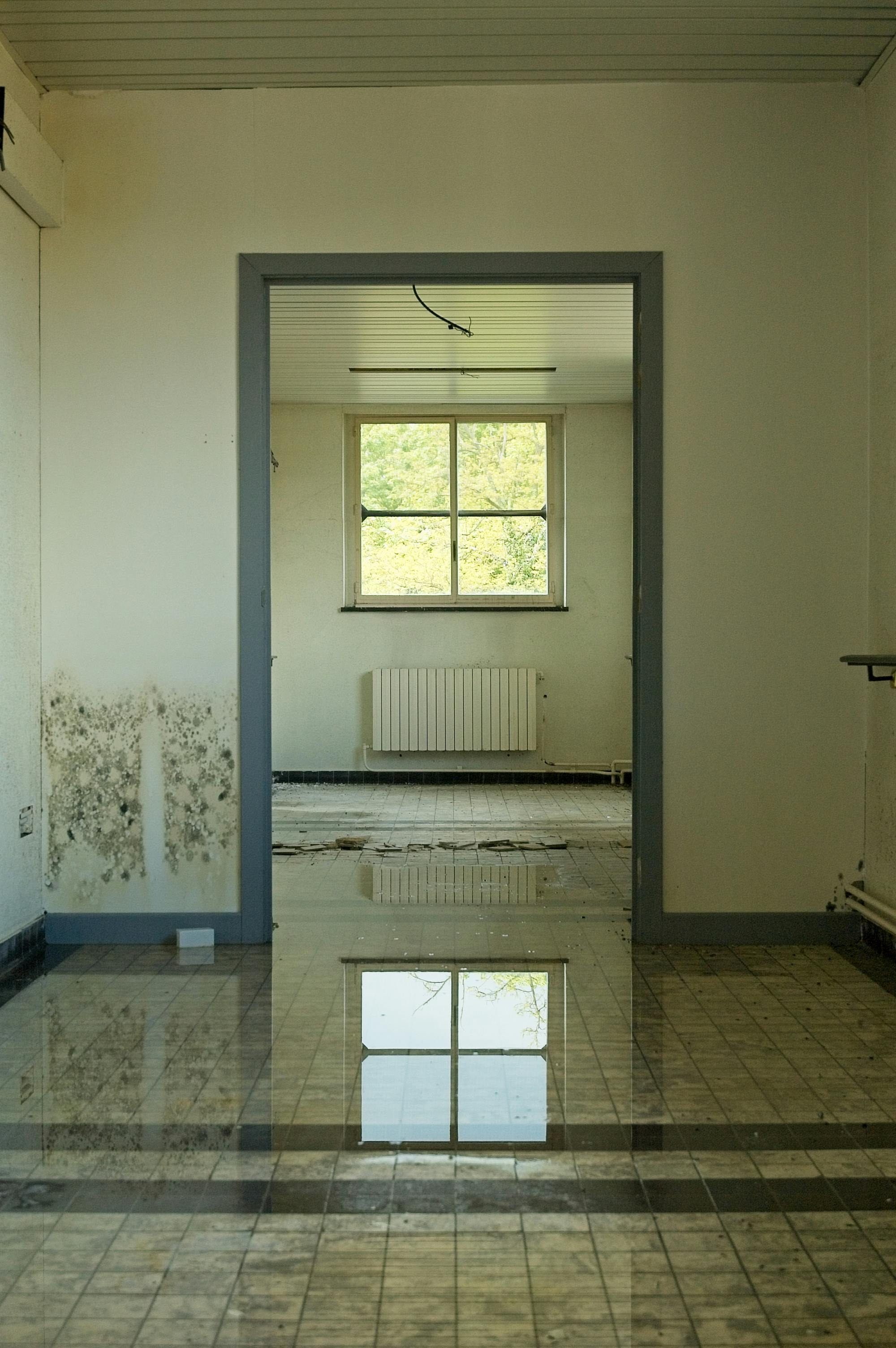
If you manage a building in Dubai with a basement, you have probably opened the lift pit door and found standing water. It is one of the most common complaints from building managers in tower districts like Business Bay, Dubai Marina and JLT. The lift pit is literally the lowest point in the building, a concrete box sitting below the basement slab where every drop of groundwater, leak water and condensation eventually collects. Left untreated, this water corrodes guide rails, damages electrical control panels and creates a safety hazard for lift maintenance engineers. We have waterproofed lift pits across Dubai where the water was deep enough to submerge the buffer springs.
The root cause is almost always the same: the original waterproofing on the external face of the pit walls failed, or was never properly applied in the first place. During construction, the pit is often cast as part of the general basement slab pour, and the waterproofing detail at the junction between the pit walls and the slab gets missed or damaged by subsequent concrete work. Once groundwater finds this weakness, it pushes through under hydrostatic pressure and flows straight into the pit. In Dubai's tower districts, the water table can be just a few metres below the basement level, so the pressure is constant.
Construction joints are the weakest point. Lift pit walls are usually poured separately from the main basement slab, creating a horizontal joint at the floor level. Water travels along this joint and appears as a steady trickle or seepage line at the base of the wall. We have inspected pits where every wall showed water entry at exactly the same height — the construction joint level. Fixing this requires injection of the joint with hydrophilic polyurethane grout followed by a cementitious tanking system on the internal face.
Floor slab cracks are another common entry point. The lift pit floor is a thin concrete slab poured on top of the main basement slab, and it often cracks under building settlement or thermal movement. Water rises through these cracks under pressure, sometimes bubbling up visibly from the floor itself. Our approach is to inject the cracks with flexible grout and then apply a full floor tanking layer that bonds to the concrete and handles the hydrostatic pressure from below.
Sump pumps are not a solution on their own. Many building managers install a pump and think the problem is solved. But a pump only removes water after it has already entered the pit. The concrete is still under constant water pressure, the steel components are still exposed to humidity, and the pump itself can fail during power cuts or motor burnout. We always recommend waterproofing first and using a pump only as emergency backup. This is the only approach that protects the lift equipment long-term.
Common failures
Lift Pit Waterproofing Problems We Fix
Construction Joint Seepage
The joint where the pit wall meets the basement slab is the most common leak path. Water travels along the joint and appears at the base of every wall. We inject the joint with hydrophilic grout and apply internal tanking.
Floor Slab Crack Water Entry
Cracks in the thin pit floor slab allow groundwater to bubble up under pressure. We inject floor cracks and apply cementitious tanking that bonds to the concrete and resists hydrostatic pressure from below.
Pipe Penetration Leaks
Cables, hydraulic lines and drainage pipes passing through pit walls create gaps that water exploits. We remove old sealant and apply flexible hydrophilic grout collars around each penetration.
Failed External Waterproofing
Original external bitumen membranes degrade over time, especially in saline groundwater. Water bypasses the failed membrane and enters through porous concrete. Internal tanking provides a reliable secondary barrier.
Sump Pump Overflow & Backup
Pumps that run continuously eventually fail. We waterproof the pit to reduce pump load and install battery backup pumps for critical buildings where lift availability is essential.
Corroded Guide Rails & Buffers
Standing water causes rust on lift guide rails and buffer springs. After waterproofing, we coordinate with lift contractors to assess and treat corroded components before they affect lift safety.
Our process
How DryGuard.ae Waterproofs Your Lift Pit
1. Pit Inspection & Water Source Identification
We enter the pit with moisture meters and visual assessment to identify whether water is entering through joints, cracks, penetrations or the floor slab. We check the sump pump condition and external drainage around the building.
2. Water Removal & Surface Preparation
The pit is pumped dry and allowed to air out. Loose material, rust and old coatings are removed from walls and floor. Active leak points are marked for injection treatment.
3. Crack & Joint Injection
Active leaks are sealed by injecting hydrophilic polyurethane grout into cracks and construction joints. The grout expands on contact with water, forming a flexible, permanent seal that handles building movement.
4. Internal Tanking Application
We apply two to three coats of cementitious tanking to the entire pit interior — walls and floor — creating a continuous waterproof barrier. Pipe penetrations receive reinforced detail collars.
5. Quality Check & Lift Contractor Coordination
We monitor the pit for 48 hours to confirm dryness, then issue a waterproofing certificate. We coordinate with your lift maintenance contractor to assess any corrosion damage and resume normal service.
Coverage
Lift Pit Waterproofing Across the UAE
We waterproof lift pits in towers and commercial buildings across all emirates. In Dubai, we specialise in deep basement pits in Business Bay, Dubai Marina, JLT and Downtown where groundwater pressure is highest. We also work on older buildings in Deira and Bur Dubai where original waterproofing has reached end of life.
Our service extends to Abu Dhabi government and commercial towers, Sharjah residential and industrial buildings, and all northern emirates. Every lift pit project is coordinated with your lift maintenance schedule to minimise elevator downtime.
Get started
Protect Your Lift Equipment from Water Damage
A flooded lift pit is more than a nuisance — it is a safety risk and a compliance issue. Most lift maintenance contracts require a dry pit, and water damage can void your equipment warranty. Waterproofing the pit is a fraction of the cost of replacing corroded guide rails or electrical panels.
Call +971 52 246 2601 for a lift pit inspection across Dubai and the UAE, or request a quote through our homepage. We work around your lift maintenance schedule and can complete most pit waterproofing projects within two to three days.
Lift Pit Waterproofing Cost, Warranty and Maintenance in the UAE
What affects the cost of lift pit waterproofing
The cost depends on the pit size, the depth below the water table, the number of active leaks, the number of walls and floor slab cracks, the presence of equipment that needs protection, and coordination with the lift maintenance contractor. Lift pit work is usually completed within a few days once the water source is stopped.
Why injection and tanking is the preferred approach
Lift pits are tight, occupied by equipment and difficult to excavate. External waterproofing is usually impossible once the building is complete. We use hydrophilic injection to stop active leaks and cementitious tanking to line the internal faces, creating a dry pit without removing the lift equipment.
What our warranty covers
Our warranty covers the treated surfaces against water ingress through the cracks and joints we sealed. It requires that sump pumps and drains are maintained, and that no new structural penetrations are made without proper sealing. We provide the warranty in writing with the completion report.
Maintenance for lift pits
Water alarms and sump pumps should be tested monthly. The pit should be inspected visually every quarter for new dampness or water stains. After heavy rain or groundwater changes, the pit should be checked again. This early detection prevents water from reaching lift components.
Compliance
Lift Pit Safety, Compliance and Waterproofing Standards in the UAE
Lift pits are governed by strict safety standards because they contain the equipment that supports elevator operation. A wet pit creates a slip hazard for maintenance engineers and can corrode guide rails, buffers, and electrical panels. Most lift maintenance contracts require the pit to be dry before servicing. Waterproofing is therefore a safety and compliance issue, not just a maintenance one.
In Dubai, lift pits in towers often sit below the local water table. Groundwater exerts constant pressure on the pit walls and floor. The original waterproofing may degrade due to salts in the groundwater or movement in the building. Once water enters, it can only be removed by solving the source. Injection waterproofing and cementitious tanking are the standard repair methods because they can be done from inside the pit without excavation.
Coordination with the lift contractor is essential during waterproofing work. The lift car must be parked at a safe floor, and the pit must be isolated. We schedule work during low-traffic periods and provide advance notice to the building management. The waterproofing materials must be compatible with the lift equipment and must not leave residues that affect operation.
After waterproofing, the pit should be monitored for at least 48 hours to confirm dryness. We issue a completion certificate that can be shown to the lift maintenance contractor and the building insurer. Regular quarterly inspections are recommended to catch new water entry early. DryGuard.ae has waterproofed lift pits across Dubai's tower districts and understands the compliance requirements.
Emergency response
What to Do When Your Lift Pit Fills With Water in Dubai
If you discover water in the lift pit, the first step is to ensure safety. Do not allow anyone to enter the pit until the power to the lift is isolated and the water level is checked. Electrocution is a real risk if electrical panels or cables are submerged. Call the lift maintenance contractor and a waterproofing specialist immediately.
While waiting for the waterproofing team, try to identify the water source. Is it groundwater seeping through the walls, a burst pipe, or a drainage backup? If the lift pit has a sump pump, check whether it is working. A pump that runs continuously or fails to start is a sign of a larger problem that waterproofing alone may not solve.
Document the water level and take photographs. Insurance claims and building management reports often require evidence of the problem. Mark the water level on the wall and note the time. This information helps the waterproofing contractor understand how quickly the pit fills and where the water is entering.
After the water is removed and the source is sealed, the pit should be dried and inspected for corrosion. Guide rails, buffers, and electrical components may need treatment or replacement. DryGuard.ae coordinates with lift contractors to ensure the pit is safe and dry before the lift is returned to service.