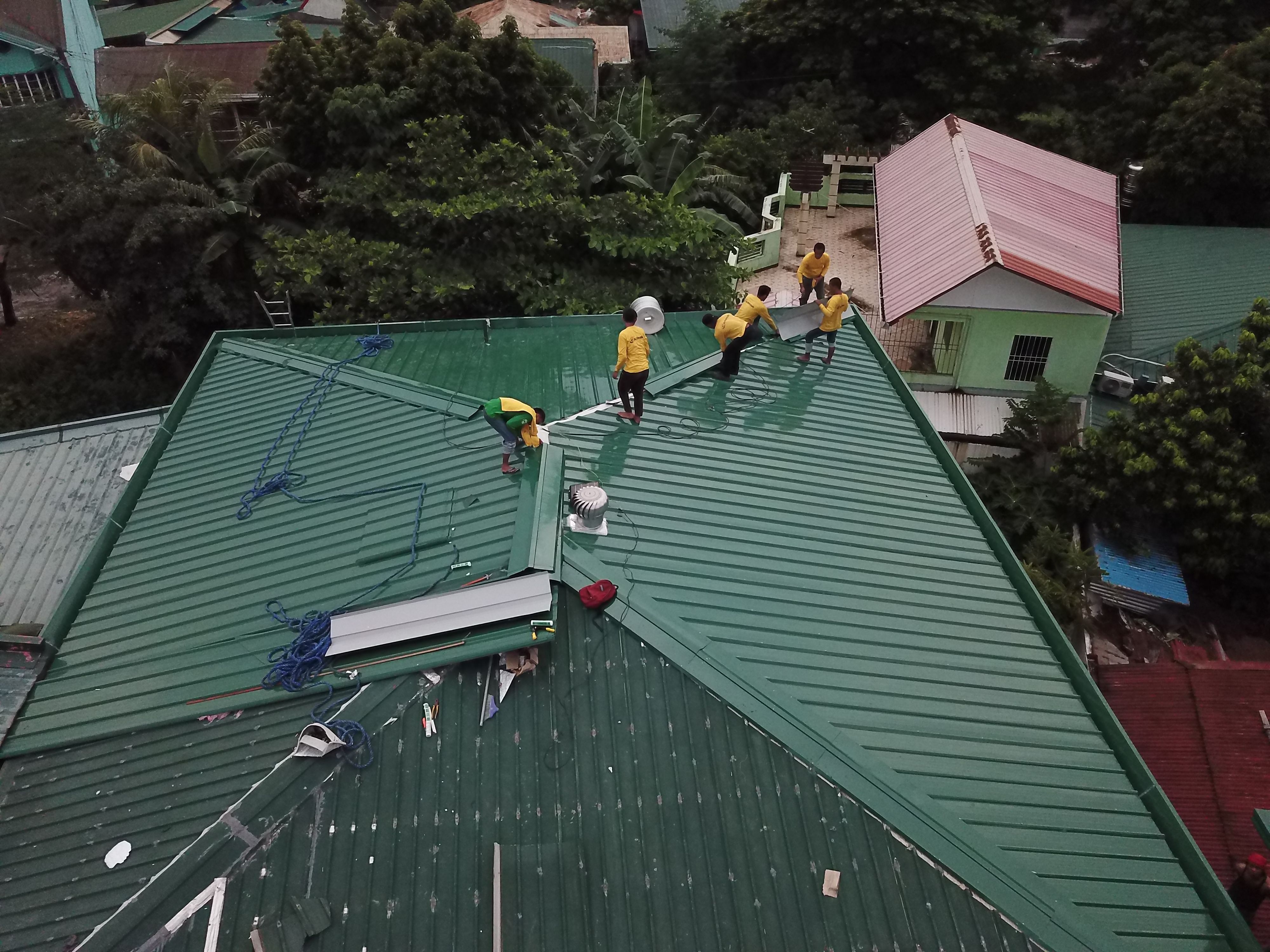
Water seepage from terraces and balconies into rooms below is one of Dubai's most common leak complaints. We remove failed waterproofing, repair the substrate and apply flexible systems that handle 50°C heat, thermal movement and foot traffic across villas, apartments and hotels.
Why Dubai Terraces and Balconies Leak Into the Rooms Below
If you live in a Dubai villa or apartment and have ever discovered a damp patch on your ceiling after rain, there is a good chance the water came from the terrace or balcony above. Terrace leaks are among the most common waterproofing problems in the UAE, yet they are also among the most misunderstood. Property owners often blame plumbing or roof leaks when the real culprit is the terrace waterproofing layer that has cracked under years of sun exposure and thermal movement. At DryGuard.ae, we specialise in tracing these leaks to their source and providing permanent terrace waterproofing solutions.
The fundamental problem with Dubai terraces is that they are flat concrete slabs sitting directly under the sun, exposed to intense UV, foot traffic and occasional rainfall. The waterproofing layer underneath the tiles is supposed to protect the slab, but in most buildings it was either applied too thin, never properly cured, or has simply reached the end of its service life. When that layer cracks, water enters through grout joints, tile cracks or parapet wall junctions and travels horizontally inside the concrete until it finds a weak point to drip through. The ceiling stain you see inside is often metres away from the actual terrace entry point.
Thermal movement is the silent destroyer of terrace waterproofing. A Dubai terrace slab expands by several millimetres every summer day as the sun heats it from 30°C at dawn to 70°C at the surface by midday. It contracts again at night. This daily cycle creates stress at every junction, corner and pipe penetration. Over a few years, even the best membrane will crack if it was not designed for this level of movement. We have inspected villa terraces where the waterproofing had developed a network of cracks like a spiderweb across the entire surface, yet the tiles above looked perfectly normal.
Balconies present an even more complex challenge because they have more junctions and penetrations than a simple open terrace. Every balcony has a door threshold where the balcony meets the interior, railing posts that pass through the waterproofing, and often a floor waste that may be the lowest point of the entire apartment drainage system. Each of these details is a potential leak path. We have treated balconies in Dubai Marina towers where water was entering through the door threshold, running along the tile adhesive layer, and dripping onto the dining room ceiling three metres inside the apartment.
Planter boxes are a special case that many waterproofing contractors overlook. Built-in planters on terraces keep soil permanently moist against the waterproofing layer, which is a completely different exposure than occasional rain. Roots can penetrate some waterproofing materials, and the constant moisture accelerates degradation. We have removed planters from villa terraces where the waterproofing had completely failed after just four years because the original builder used a standard bitumen membrane without a root barrier. Our planter box solution includes root-resistant membranes, drainage layers and weep holes to prevent waterlogging.
Common failures
Terrace & Balcony Waterproofing Problems We Solve
Tile Overlay Waterproofing Failure
Water travels under intact tiles through failed adhesive or screed cracks. We remove tiles, strip old waterproofing, repair the substrate and apply new bitumen membrane or PU coating before re-tiling with epoxy grout.
Parapet Wall Junction Leaks
The junction between the terrace slab and the parapet wall is a major leak path. Thermal movement cracks the waterproofing detail. We strip and rebuild junctions with reinforced membrane upstands and flexible fillets.
Balcony Door Threshold Seepage
Water enters under balcony door tracks and runs inside the apartment. We remove threshold frames, apply waterproofing upstands and reinstall with proper drainage falls and marine-grade silicone seals.
Planter Box Saturated Soil Leaks
Permanent soil moisture against the waterproofing causes rapid degradation and root penetration. We install root-resistant membranes, drainage mats and weep holes before replanting.
Railing Post Penetration Leaks
Metal railing posts passing through the waterproofing create annular gaps that water exploits. We remove posts, reseal penetrations with flexible collars and reinstall with proper flashing.
Failed Drainage Slope & Ponding
Many terraces lack proper fall toward drains, causing standing water that accelerates waterproofing failure. We regrade the screed, install additional drains and apply new membrane with correct drainage design.
Our process
How DryGuard.ae Waterproofs Your Terrace or Balcony
1. Leak Tracing & Terrace Assessment
We inspect the terrace or balcony surface, drainage, joints and penetrations. Inside, we use moisture meters and thermal imaging to map the water path from the entry point to the interior stain. This determines exactly where to focus the repair.
2. Surface Stripping & Substrate Repair
Tiles, screed and old waterproofing are carefully removed to expose the concrete slab. We repair cracks, level uneven areas and rebuild upstands at parapet walls and door thresholds. All surfaces are primed before new waterproofing.
3. Flexible Waterproofing Application
We apply bitumen membrane or polyurethane liquid coating at the specified thickness, with reinforced detail at every junction, drain and penetration. Planter boxes receive root-resistant membranes. Each layer is tested for continuity.
4. Drainage Correction & Protection
We verify slope toward drains and install additional outlets where ponding occurs. For trafficked terraces, we add protective screed or pavers. Balcony door thresholds are rebuilt with waterproof upstands and drainage channels.
5. Flood Test, Re-tiling & Warranty
The waterproofed area is flood-tested for 48 hours to confirm no leaks. We then re-tile with epoxy grout, reinstall fixtures and issue a waterproofing completion certificate with warranty terms. Annual inspections are recommended.
Coverage
Terrace & Balcony Waterproofing Across the UAE
Our terrace waterproofing service extends across all emirates. In Dubai, we specialise in villa terraces in Jumeirah, Emirates Hills and Arabian Ranches, apartment balconies in Dubai Marina and JLT, and hotel terrace repairs across the city. Abu Dhabi coastal properties require enhanced UV-stable systems for terrace exposure.
We also serve Sharjah residential towers, Ajman villa communities, Ras Al Khaimah hotel balconies and Fujairah coastal apartments. Every terrace and balcony receives the same inspection-led approach with materials selected for the specific exposure conditions at that location.
Get started
Stop Terrace Water Before It Ruins Your Ceilings
Terrace and balcony leaks are progressive — they get worse with every rain event and every summer of thermal cycling. What starts as a small damp patch can spread across entire ceilings, damage light fixtures and create persistent mould problems. The cost of repairing the interior damage far exceeds the cost of proper terrace waterproofing.
Call +971 52 246 2601 for a terrace or balcony inspection across Dubai and the UAE, or request a quote through our homepage. We provide itemised quotations with no hidden costs and can schedule work to minimise disruption to your daily routine or tenant occupancy.
Terrace and Balcony Waterproofing Cost, Warranty and Maintenance
What affects the cost of terrace waterproofing
The price of terrace and balcony waterproofing depends on the area, the type of finish, whether tiles need to be removed, the condition of the existing waterproofing, the number of drains and penetrations, and whether planter boxes or railing posts need to be resealed. A simple overlay with a transparent coating is less costly than a full strip and rebuild with new screed and tiles.
Why the cheapest quote often fails
Many low-cost terrace repairs consist of applying a top coat over failed waterproofing without removing tiles. The water continues to travel under the tile bed and the coating hides the problem for a few months. A proper repair removes the finish, treats the substrate, applies the correct system, and then reinstates the finish after a flood test.
What our warranty covers
Our warranty covers the waterproofing layer we install and the critical junctions we detail. It requires that the flood test is passed before tiles are reinstated and that drains remain clear. We issue the warranty terms in writing with the completion report.
Maintenance for terraces and balconies
Drain outlets should be cleared of leaves and sand after every sandstorm. Grout and silicone at door thresholds and joints should be inspected annually. Any cracks in tiles or grout should be repaired quickly to stop water reaching the membrane. Planter boxes should not be overwatered and must have drainage layers.
Maintenance
Terrace and Balcony Waterproofing Maintenance and Care in Dubai
Once a terrace or balcony has been waterproofed, regular maintenance is the key to a long service life. The most important task is keeping drains and outlets clear. In Dubai, sand, leaves, and small debris can block a balcony drain quickly. When water cannot drain, it ponds on the surface and puts pressure on the waterproofing layer, especially at door thresholds and joints.
Grout and silicone should be inspected every 12 to 18 months. Cracked grout allows water to reach the waterproofing membrane, and failed silicone around door frames lets water run into the wall cavity. We recommend using epoxy grout for terraces and marine-grade silicone at thresholds and joints. These materials last longer in the UAE climate than standard products.
Planter boxes require special attention. Soil should not be allowed to touch the waterproofing directly; a drainage layer and geotextile fabric protect the membrane. Overwatering should be avoided, and weep holes must remain clear. If a planter box is added to a terrace after the original waterproofing, the area should be re-waterproofed to include the new walls and base.
A simple annual inspection can prevent most terrace and balcony leaks. Look for cracks in tiles, loose pavers, stained grout, and water that remains after rain. If you notice any of these signs, call a professional before the next rain event. DryGuard.ae offers maintenance inspections and repairs for terraces and balconies across Dubai and the UAE.
Signs
Warning Signs Your Terrace or Balcony Needs Waterproofing Repair
The most obvious sign of a terrace leak is a water stain on the ceiling below. In apartments, this often appears in the room directly beneath the terrace or balcony. In villas, the stain may appear along the edge of the room or near light fixtures. The stain usually grows after rain.
Dark or permanently wet grout is another warning. If grout joints stay dark for days after the area is dry, water is sitting under the tiles. This means the waterproofing layer has been compromised and water is trapped in the screed. It is only a matter of time before the leak appears inside.
Door thresholds that swell or stick can indicate water entering the subfloor. Wooden door frames absorb moisture and expand. If the threshold is damp or the paint is peeling, water is likely coming from the balcony or terrace area. This should be addressed before the wall cavity is damaged.
Planter boxes that stay wet or smell musty are a common leak source. Soil in direct contact with the waterproofing causes it to degrade. Roots can also penetrate the membrane. If plants are not thriving or the planter walls are damp, the waterproofing may need to be replaced.