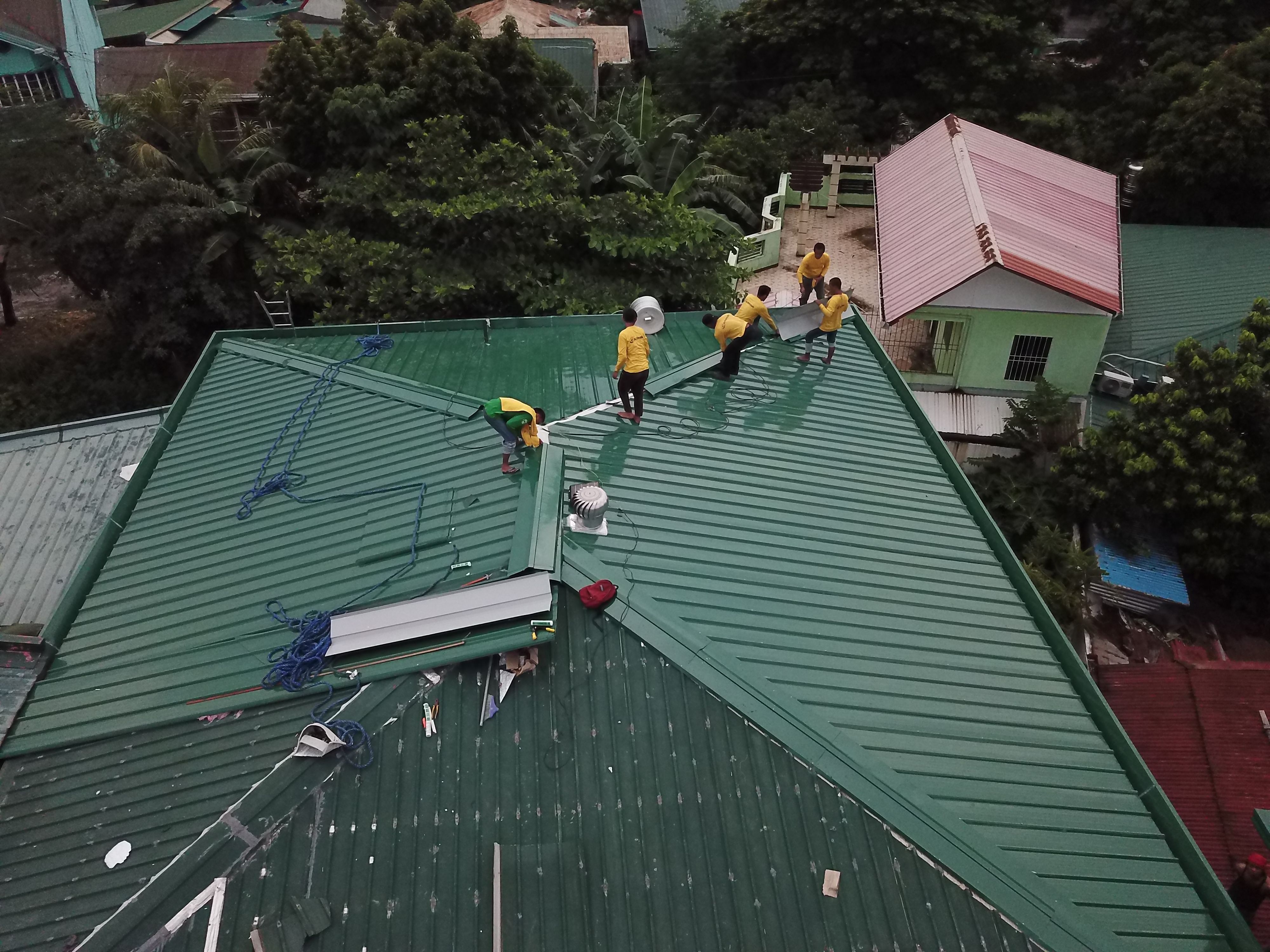
Balcony Waterproofing in Dubai (2026): Complete Guide to Prevent Leaks, Cracks & Water Damage
Why balconies leak in Dubai, how to find the real source, which waterproofing system to choose, what it costs, and the inspection and maintenance checklists that keep water out of the rooms below.
Balcony leaks are small problems that become expensive fast
A leaking balcony rarely announces itself. There is no dramatic burst of water. Instead, a faint damp patch appears on the ceiling of the room below, a skirting board starts to lift, or a neighbour in the apartment beneath sends a photo of a brown stain spreading across their plaster. By the time the leak is visible indoors, water has usually been tracking through the balcony screed for weeks or months, and the repair is no longer just a balcony job. It now involves interior ceilings, paint, and sometimes a dispute with a downstairs neighbour or a building management company.
In Dubai this pattern repeats across thousands of buildings every year. Balconies combine every condition that challenges waterproofing: full exposure to 50C summer heat and intense UV, sudden heavy winter downpours, constant air-conditioning condensate discharge, foot traffic, planters, and a tiled finish that hides the membrane beneath it. When any one detail is wrong, whether a blocked drain, a cracked perimeter joint, or a door threshold set too low, water finds its way in.
This guide explains, in plain language, why Dubai balconies leak, how to identify where the water is actually entering, and which waterproofing system genuinely solves the problem for apartments and villas. It is written from real UAE site experience, not from a product catalogue, so you can ask a contractor the right questions and avoid paying twice for the same repair. If you also manage a full roof, our roof waterproofing Dubai service and the guide on why roof waterproofing fails in the UAE cover the connected structures above.
Root causes
Why balconies leak in Dubai
A balcony is effectively a small exposed roof attached to the side of a heated, air-conditioned interior. It has to shed rainwater, drain AC condensate, tolerate thermal movement, and keep a watertight seal at the exact line where an outdoor slab meets an indoor floor. That junction is the weakest point in most Dubai apartments and villas, and it is where the majority of balcony leaks begin.
The original waterproofing was never detailed correctly
Many balconies in Dubai were tiled directly over a thin cementitious slurry or, in older buildings, over no dedicated membrane at all. The open tile field might be fine, but the membrane was not turned up the walls to form an upstand, not dressed into the drain, and not carried under the door threshold. Water passing through grout lines then runs sideways along the screed and exits wherever it finds a crack.
Movement and thermal cycling crack rigid finishes
Balcony slabs expand and contract every day as surface temperatures swing from cool night air to searing afternoon sun. Rigid grout and brittle coatings cannot absorb this movement and eventually craze and crack. Each hairline crack becomes an entry path. This is the same failure mechanism described in our article on choosing the right waterproofing material: flexibility matters more than thickness on exposed surfaces.
Drainage was designed for looks, not water
A surprising number of balconies are laid almost flat, or slope towards the building instead of towards the drain. Water then ponds against the door threshold or the parapet wall, and standing water eventually finds any weakness. A balcony that holds water for more than a few hours after rain or heavy condensate discharge is a balcony that will leak.
Hidden entry paths
Frequently overlooked leak points
When we inspect a leaking balcony, the water almost never enters through the middle of the tiled area. It enters at the details. These are the points most contractors skip and most owners never think to check:
Door threshold: the aluminium track where the balcony meets the living room is often set level with or below the tile finish, so water flows straight indoors under wind-driven rain.
Wall-to-floor junction: the 90-degree corner behind the skirting where the membrane should turn up at least 150 to 200 mm but frequently stops at floor level.
Drain outlet: the point where the membrane must be clamped or dressed into the floor drain. A loose or unsealed drain collar is one of the most common single causes of ceiling stains below.
Parapet and railing base: balustrade posts and glass channels bolted through the slab create dozens of penetrations, each needing a sealed collar.
Perimeter expansion joint: where the balcony slab meets the main structure, movement opens a gap that rigid tiling cannot bridge.
Planter boxes and built-in seating: permanently damp soil against an un-tanked wall wicks moisture into the structure long after rain has stopped.
AC condensate discharge: a steady daily trickle of condensate onto a poorly drained balcony keeps the surface wet year-round, even in summer with no rain.
Because water travels along the screed before it reappears indoors, the visible stain below is often one to three metres away from the true entry point. This is exactly why guessing and applying a coat of sealant to the tile field usually fails: it treats the symptom, not the source.
Climate factors
UAE weather and why it breaks balconies
Dubai's climate is uniquely hostile to balcony waterproofing, and it is why systems that perform well in Europe or South Asia often fail here within a couple of years. Three combined stresses do the damage.
Extreme heat and UV
Balcony tile and coating surface temperatures regularly exceed 60 to 70C in July and August, with more than 3,500 hours of intense sunshine a year. UV breaks down the polymers in cheap coatings, and heat accelerates thermal movement. Any exposed membrane on a balcony must be specifically UV-stable, which is why unprotected bitumen and standard interior-grade products are unsuitable for open balconies.
Sudden, concentrated rainfall
Dubai receives little rain, but when it comes it arrives fast: 30 to 50 mm can fall in a few hours. A balcony drain that copes with light drizzle can be completely overwhelmed, causing water to back up above the threshold and flood indoors. Winter storms are the moment most latent balcony defects finally reveal themselves.
Year-round condensate and humidity
Even in the rain-free summer, coastal humidity and continuous AC condensate discharge keep balconies damp. This constant moisture, combined with thermal cycling, is what slowly degrades grout, sealants and screed. A balcony in Dubai is never truly in a dry season; it is under water stress twelve months a year.
Property type matters
Apartment vs villa balconies
The waterproofing principles are the same, but the practical challenges and consequences differ significantly between a high-rise apartment balcony and a villa terrace-balcony.
Factor
Apartment balcony
Villa balcony / terrace
Who suffers the leak
The neighbour below, often triggering building management and insurance disputes
The owner's own room below, contained but still costly
Typical size
4 to 12 sq m
15 to 60 sq m podium or roof terrace
Access & approvals
May need building/OA permission, material hoisting, quiet-hours rules
Direct owner access, easier scheduling
Traffic & load
Light foot traffic, occasional furniture
Heavy use: seating, planters, sometimes vehicles on podiums
Best-fit system
Liquid PU coat-over or removal-and-replace under tile
Reinforced PU or bitumen membrane with screed protection
For apartments, the urgency is usually higher because a leak into the unit below can escalate into a formal complaint and a liability claim. For villas, the leak stays within the owner's property but often affects larger, higher-value terrace areas. Our terrace and balcony waterproofing service covers both, and villa owners dealing with roof-level terraces should also read our villa roof waterproofing guide.
Find the source first
Leak diagnosis guide
Effective balcony waterproofing starts with correct diagnosis. Applying a membrane without knowing where water enters is the single biggest reason repairs fail. Use this sequence to narrow down the source before any product is applied.
Step 1: Map where the stain appears below
Note the exact position of the ceiling stain in the room or apartment underneath and relate it to the balcony above. Stains near the building wall usually point to a failed threshold or wall junction; stains near the outer edge point to the drain or parapet.
Step 2: Check the drain and the slope
Pour a bucket of water on the balcony and watch where it goes. If it runs to the drain and clears quickly, drainage is adequate. If it ponds anywhere, especially against the door, you have found a major contributing factor. Inspect the drain collar for cracked grout or a loose seal.
Step 3: Inspect the perimeter and penetrations
Look closely at the wall-to-floor line, the door threshold, balustrade fixings and any planter. Hairline cracks, lifted skirting, white salt deposits (efflorescence) and drummy-sounding tiles all indicate water is already tracking through the screed.
Step 4: Consider a controlled flood test
Where a drain can be temporarily plugged, a professional flood test holds water on the balcony for 24 hours while the ceiling below is monitored. This confirms whether the leak is through the floor field or through the perimeter details, and it is the most reliable diagnostic before committing to a repair method.
If the water is appearing on an interior ceiling rather than the balcony itself, our related guide on what to do about a water leak in the ceiling walks through the indoor side of the same problem.
System comparison
Waterproofing systems: PU vs cementitious vs bitumen
There is no single best system for every balcony. The right choice depends on whether the surface is exposed or tiled over, how much movement and traffic it sees, and your budget. The three systems used on Dubai balconies are polyurethane liquid membrane, cementitious coating, and bitumen membrane. Here is how they genuinely compare for balcony use.
System
Best balcony use
Flexibility
UV / exposed?
AED/sq m (2026)
Lifespan (UAE)
Polyurethane (PU) liquid
Exposed balconies, complex shapes, coat-over on sound tiles
Very high (400 to 600% elongation)
Yes, UV-stable grades
AED 70 to 120
7 to 10 years
Cementitious (flexible)
Under tiles, wall-to-floor junctions, wet-area detailing
Low to moderate
No, must be tiled/covered
AED 45 to 80
10+ years (protected)
Bitumen membrane
Large villa terraces, podium decks with screed protection
Moderate
Only if protected/screeded
AED 85 to 130
10 to 15 years
*Indicative Dubai pricing for 2026. Obtain a site-specific quotation.
Polyurethane liquid membrane, the balcony all-rounder
For most Dubai balconies, a UV-stable polyurethane liquid membrane is the strongest choice. It cures into a seamless, joint-free layer that bridges hairline cracks, dresses cleanly into drains and up walls, and can be finished as a walkable coloured surface or tiled over. It is the go-to system for coat-over repairs on sound tiles and for exposed balconies where a tiled finish is not required.
Cementitious coating, the detailing and under-tile layer
Flexible cementitious systems bond directly to concrete and are excellent under tiles and at wall-to-floor junctions. They resist positive water pressure and are ideal where the balcony will be re-tiled. Because they are not UV-stable, they should never be left exposed on an open balcony; they must be protected by tiles or a topcoat. This is the same material family covered in our cementitious waterproofing overview.
Bitumen membrane, for large, heavily used terraces
Torch-applied or self-adhesive bitumen sheets suit large villa terraces and podium balconies that carry heavy traffic, furniture and planters. They provide excellent puncture resistance but must be protected with a screed or pavers because exposed bitumen degrades quickly under Dubai UV. On small apartment balconies, bitumen is usually overkill and harder to detail around the many penetrations.
Method
How professional balcony waterproofing is done
A properly executed balcony waterproofing job follows a disciplined sequence. Whether it is a coat-over or a full removal-and-replace, the detailing steps are what separate a lasting repair from a temporary patch.
Inspection and diagnosis: confirm the leak source, check the fall to the drain, and decide between coat-over and full replacement.
Tile removal (if required): remove failed tiles and any drummy or saturated screed down to a sound substrate.
Substrate repair and screed correction: repair cracks, rebuild the fall towards the drain, and form smooth coved fillets at wall-to-floor junctions.
Surface preparation and priming: clean, grind if necessary, and prime the substrate so the membrane bonds properly.
Detail reinforcement: treat the drain collar, threshold, corners and penetrations first with reinforcing fabric or fillet, because these are where leaks start.
Membrane application: apply the chosen system at the correct thickness in the correct number of coats, turning up the walls to form a proper upstand.
Curing and flood test: allow full cure, then flood-test where possible to confirm watertightness before finishing.
Protection and finish: re-tile, apply a topcoat, or install a walkable finish depending on the system.
Checklist
Balcony waterproofing inspection checklist
Use this checklist to inspect your own balcony or to judge the quality of a contractor's scope of work:
Does water drain freely to the outlet within a few minutes, with no ponding against the door or parapet?
Is the door threshold raised above the finished balcony level to block wind-driven rain?
Is there a sealed, clamped connection between the waterproofing and the floor drain?
Does the membrane turn up the walls at least 150 to 200 mm behind the skirting?
Are all balustrade fixings, planter edges and pipe penetrations individually sealed with collars?
Is the grout intact, with no cracks, and are all tiles firmly bonded (no drummy sound when tapped)?
Are there any white salt deposits (efflorescence), lifting skirting, or damp patches on the ceiling below?
Is the perimeter expansion joint sealed with a flexible sealant, not rigid grout?
Is the exposed membrane or coating a UV-stable grade suitable for full Dubai sun?
Was a flood test carried out and documented before the finish was installed?
Pricing
Cost factors and 2026 price ranges
Balcony waterproofing cost in Dubai is driven far more by the condition of the balcony and the detailing required than by the headline price per square metre. Two balconies of the same size can differ by thousands of dirhams depending on whether tiles must come off and how many penetrations need sealing.
Scope
What it includes
AED/sq m
Typical 6 to 8 sq m balcony
Coat-over (sound tiles)
Clean, prime, transparent or coloured PU coat, reseal perimeter
The main cost drivers are tile removal and disposal, screed rebuilding to correct the fall, the number of drains and penetrations, access and hoisting in high-rise towers, and the membrane system specified. For a full breakdown of how pricing works across waterproofing projects, see our 2026 waterproofing cost guide.
Avoid these
Common mistakes that cause repeat leaks
Sealing the tile field only: painting a coating over the open tiles while ignoring the drain, threshold and wall junctions where water actually enters.
No upstand at the walls: stopping the membrane at floor level so water passes behind the skirting.
Ignoring the fall: waterproofing a balcony that still ponds, so standing water eventually defeats any membrane.
Rigid grout on movement joints: using cement grout where a flexible sealant is required, guaranteeing cracks within a season.
Exposed non-UV products: leaving cementitious or interior-grade coatings exposed to full sun.
Skipping the flood test: re-tiling before confirming the membrane is watertight, then discovering the leak persists.
Threshold set too low: a door track level with the tiles that lets wind-driven rain flow straight indoors.
Keep it working
Maintenance schedule
Even a perfect installation needs light maintenance to reach its full service life in Dubai's climate:
Frequency
Task
Monthly
Clear the drain of dust, sand and debris; check for ponding after washing.
Before winter (Oct to Nov)
Inspect grout, perimeter sealant and threshold ahead of the rainy months.
Every 1 to 2 years
Renew flexible perimeter and penetration sealants.
Every 3 to 5 years
Professional inspection; refresh exposed PU topcoat if worn.
Quality control
Before & after checklist
Before work begins, confirm:
The leak source has been diagnosed, not guessed.
The quotation states the system, number of coats, membrane thickness and warranty.
Whether tiles will be removed and how the fall will be corrected.
Drain, threshold, upstand and penetration detailing is included in the scope.
After work is complete, verify:
A flood test was performed and passed with no stain below.
Water drains fully to the outlet with no ponding.
The threshold is raised and the perimeter is sealed with flexible sealant.
You received a written warranty, product datasheets and maintenance advice.
Buyer recommendations
How to choose the right balcony waterproofing solution
For a typical Dubai apartment balcony with sound, well-bonded tiles and a leak confined to grout lines or the perimeter, a UV-stable polyurethane coat-over with proper drain and threshold detailing is usually the most cost-effective lasting fix. It is quick, walkable within a day, and avoids the disruption of tile removal. Insist that the drain, threshold and wall junctions are reinforced first; that is where your money should go.
For a balcony that is already leaking into the unit below, has drummy tiles, or ponds water, do not accept a coat-over. The only reliable solution is removal down to the screed, correction of the fall, a full membrane with upstands, a flood test, and re-tiling. It costs more upfront but prevents the far larger expense of repeated interior ceiling repairs and neighbour disputes.
For large villa terraces and podium balconies with heavy use, a reinforced PU or protected bitumen membrane under a screed and paver finish delivers the durability the traffic demands. Whatever the property type, choose a contractor who diagnoses before quoting, details the drains and junctions, and stands behind the work with a written warranty. If you are still comparing contractors, our guide on how to choose a waterproofing company in Dubai explains exactly what to ask.
Frequently asked questions
Balcony waterproofing FAQs for Dubai owners
How much does balcony waterproofing cost in Dubai in 2026? Coat-over treatments on sound tiles run AED 45 to 90 per sq m, while full removal-and-replace runs AED 90 to 180 per sq m. A standard 6 to 8 sq m apartment balcony typically costs AED 1,200 to 3,500 for a full replacement, or AED 350 to 900 for a coat-over.
Do I have to remove the tiles? Not if the tiles are firmly bonded, the balcony drains correctly, and the leak is limited to grout or the perimeter. But if water is already reaching the room below or the tiles are drummy, removal is the only reliable fix because the membrane must sit on the screed beneath the tiles.
Why does my balcony leak below when it looks dry on top? Water enters at hidden details: the door threshold, wall-to-floor junction, drain collar or parapet, then tracks along the screed and reappears on the ceiling metres away from the true entry point.
How long does it last? A correctly installed PU system lasts 7 to 10 years exposed; cementitious systems under tiles can exceed 10 years. Detailing at drains and thresholds, plus keeping the drain clear, matters more than the material itself.
Can it be done without disturbing tenants? Coat-over systems take 1 to 2 days and are walkable within 24 hours. Full replacement takes 3 to 6 days and is usually scheduled in dry weather with the door area completed last.
Related services
Fix your balcony leak with DryGuard.ae
DryGuard.ae diagnoses the real source of balcony leaks before recommending a solution, details the drains, thresholds and junctions where water actually enters, and backs every project with a written warranty. Whether it is a single apartment balcony leaking into the unit below or a large villa terrace, we specify the right system for your surface, traffic and budget. Call +971 52 246 2601 to book a balcony inspection across Dubai and the UAE.