Waterproofing blog
Waterproofing for Villa Roofs in Dubai: Common Problems and Solutions
Understanding common villa roof waterproofing problems in Dubai and how to protect your property from weather-related damage.
Waterproofing blog
Understanding common villa roof waterproofing problems in Dubai and how to protect your property from weather-related damage.
Villa roofs
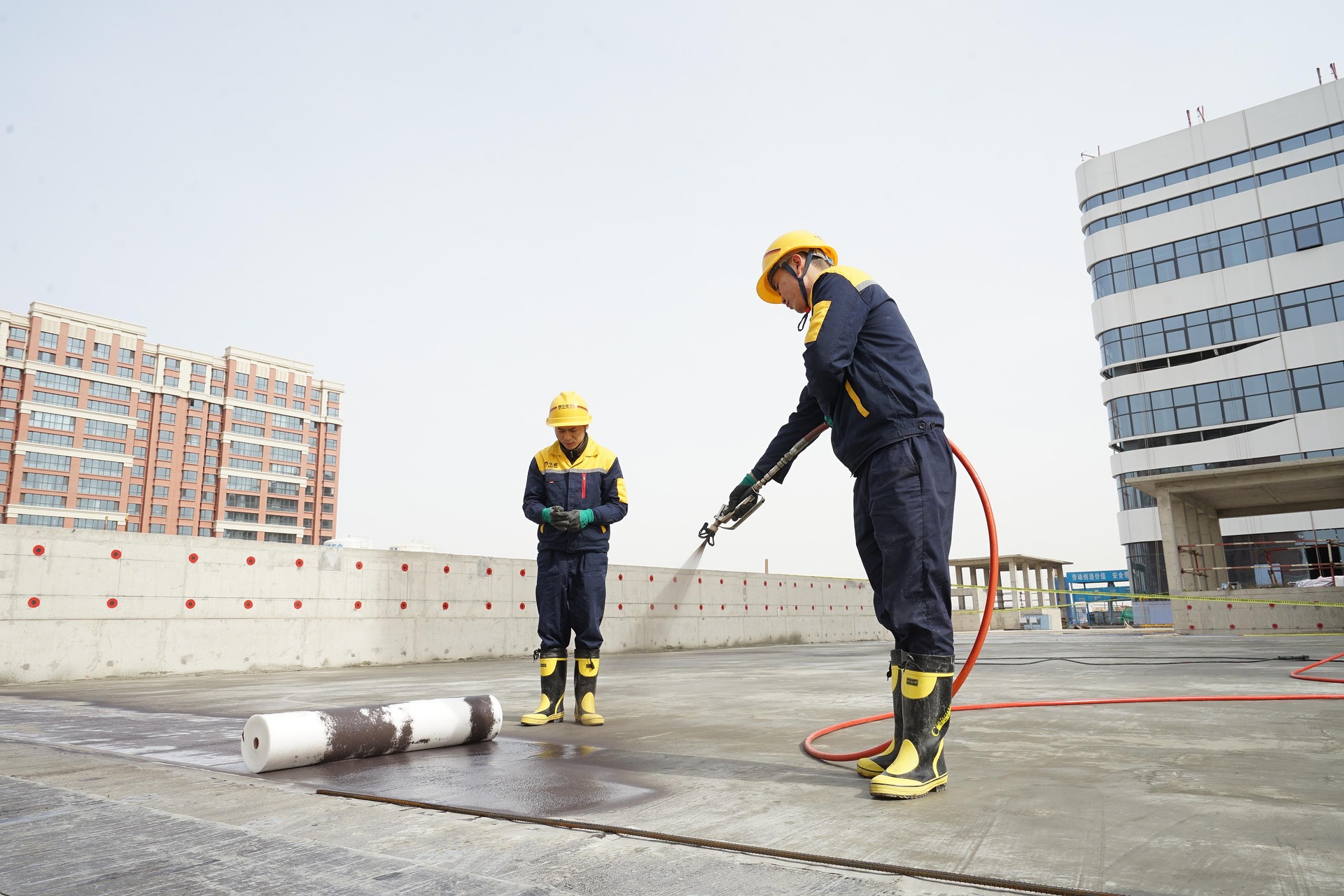
Villa roofs in Dubai are exposed to the harshest conditions in the region: intense UV for most of the year, summer surface temperatures above 70C, occasional winter downpours, and daily thermal expansion that causes the concrete and any coating to move. A villa roof is also often used as an outdoor space, supporting planters, seating, shading structures, or AC units. This combination of heavy exposure and extra loading makes the roof one of the most common leak sources in Dubai villas.
The most common mistake villa owners make is choosing a waterproofing system based on price alone. A cheap acrylic coating on a roof with poor drainage or active movement joints will fail within two to three years. The right approach is to inspect the roof first, understand the movement and drainage patterns, and then choose a system that matches those conditions.
Common problems
Problem one: cracked and peeling coatings. Previous roof coatings often crack at the parapet wall junctions, around pipe penetrations, and along expansion joints. Once the coating cracks, water enters during rain and travels through the concrete before appearing as a stain on the ceiling below. By the time the stain is visible, the problem is usually well established.
Problem two: ponding water. Many villa roofs were built with inadequate falls or blocked drains. Water that sits for more than 48 hours after rain causes hydrostatic pressure that finds any weak point in the membrane. It also accelerates UV degradation of most coatings because the waterline acts as a magnifying glass under the sun.
Problem three: failed details at parapets and penetrations. The flat horizontal area of the roof is rarely the first place to leak. Water usually enters where the roof meets the parapet wall, where pipes pass through, or where the AC ducting is mounted. These details require reinforced bandages, counter-flashing, and compatible sealants.
Problem four: old bitumen membranes that have lost their UV protection. Torch-on bitumen can last 10-15 years if protected by a screed or aluminium facing. Once the protection fails, UV makes the bitumen brittle and crack within two to three years.
Solutions
For a simple flat concrete villa roof with good drainage and no foot traffic, a high-quality acrylic elastomeric coating can last five to seven years if maintained. It is cost-effective, reflective in light colours, and easy to repair. However, it must be applied over a clean, primed surface with the correct total dry film thickness.
For a villa roof with planters, pergolas, seating areas, or multiple expansion joints, a polyurethane liquid membrane is usually the best choice. PU forms a seamless, flexible layer that can accommodate movement and can be detailed around complex shapes without the seams created by sheet membranes. It costs more than acrylic but normally lasts seven to ten years.
For villa roofs that will receive heavy foot traffic or outdoor furniture, a torch-on bitumen membrane with a protective screed or pavers is the most durable option. It can last 10-15 years and is highly resistant to puncture. The extra weight means the structure must be checked before installation.
The first step in every solution is proper surface preparation. This means cleaning the roof, repairing cracks, re-grading low spots, treating blisters, and applying the correct primer. No membrane can perform well over a dirty or damp substrate.
When to call
You should call a waterproofing contractor as soon as you notice ceiling stains, paint bubbling, damp smells, or water dripping after rain. You should also call before a major renovation, such as adding a pergola or converting the roof into a usable outdoor space, because the work will damage the existing waterproofing.
A professional contractor should inspect the roof, provide photographs of the damage, explain the drainage condition, and recommend a system with a written warranty. Avoid contractors who quote without seeing the roof or who promise unusually cheap one-day repairs.
Related services
DryGuard.ae provides villa roof waterproofing, terrace waterproofing, and balcony leak repair across Dubai and the UAE. We inspect first, prepare the surface correctly, and choose the system that fits the roof and how you use it.
Maintenance and warranty
A roof waterproofing system is only as good as the maintenance that follows it. In Dubai, the main maintenance tasks are clearing drains and outlets, inspecting flashings after sandstorms, and checking for new cracks or blisters after the summer. A single blocked drain can create a pond that degrades the best membrane within one season. We recommend a visual inspection at least twice a year, and a professional inspection after any significant roof work such as AC installation or pergola construction.
Homeowners should also avoid placing heavy objects directly on the waterproofing layer. Pots, planters, and outdoor furniture should sit on pads or raised supports that allow water to flow underneath. If the roof is used as a terrace, we design the system with a trafficable top coat or paver protection. Walking on a bare PU coating or exposed bitumen cap sheet will shorten its life. Any maintenance technician who accesses the roof should be told to avoid dragging tools or equipment across the membrane.
Warranties for villa roof waterproofing usually cover the installation and the materials used. Our workmanship warranty covers leaks that result from poor detailing, inadequate laps, or thin application. It does not cover leaks caused by blocked drains, new penetrations, or structural movement that occurs after completion. We explain the warranty conditions clearly before work starts and provide a completion report that records the system, thickness, and test results. This report is valuable if the property is sold or if the owner needs to make an insurance claim.
If the roof is part of a villa rental or managed property, we can set up an annual maintenance contract. This contract includes a roof inspection, drain cleaning, touch-up of high-wear areas, and a written condition report. For landlords, this small annual cost protects the much larger value of the villa and prevents emergency callouts during the rainy season.
Material choice
Acrylic coatings are the most economical option for villa roofs with good drainage and no heavy use. They are reflective, which helps keep the villa cooler, and they are easy to repair. However, they have a shorter life than other systems and are not suitable for roofs with ponding water or heavy foot traffic. We use acrylic as a maintenance coating or on simple roofs where the owner wants a budget-friendly refresh.
Polyurethane liquid membranes are a step up in durability. They form a seamless, flexible film that can be detailed around complex shapes, skylights, and multiple penetrations. PU is ideal for villa roofs that are partially used as terraces or that have planter boxes and pergolas. The UV-stable top coat is essential; without it, the aromatic base coat will chalk and degrade. A well-installed PU system can last 7 to 10 years in Dubai.
Torch-on bitumen membranes provide the thickest physical barrier and are the best choice for roofs that will be covered by screed, tiles, or pavers. The protection layer is the key: exposed bitumen degrades quickly under UV. For villa roofs that are not covered, we use a mineral-granule cap sheet or a reflective top coat. Bitumen systems can last 10 to 15 years when protected and properly maintained.
The choice between these systems depends on the roof condition, the budget, and how the roof is used. We often combine systems: a bitumen membrane on the main roof area, a PU liquid detail at penetrations and parapets, and an acrylic top coat for reflective protection. This hybrid approach gives the durability of bitumen with the seamless detailing of PU.
Case study
We were called to a villa in Emirates Hills where the owner had noticed a ceiling stain after a winter storm. The roof was a large flat concrete slab with a pergola, planter boxes, and several AC units. The initial contractor had applied a thin acrylic coating two years earlier, but it had cracked at the parapet junctions and around the planters. The owner had already repainted the ceiling twice, but the stain kept returning.
Our inspection found that the parapet wall had no proper counter-flashing, the planter boxes had no root barrier or drainage layer, and the acrylic coating was less than half the required thickness. The drains were also partially blocked, causing ponding in two areas. We stripped the failed coating, repaired the parapet detail, installed a root-resistant membrane in the planters, applied a two-layer SBS-modified bitumen system with a protective screed, and re-graded the low spots to the drains.
The roof was flood-tested for 48 hours before the tiles and planters were reinstated. We also added overflow drains to prevent future ponding. The owner has not reported a leak in the following two rainy seasons. This case is typical of Dubai villa roofs: the failure was not the roof itself, but the details, drainage, and inadequate original system.
Roof gardens and terraces
Many Dubai villas use the roof as an outdoor living space with seating, planters, pergolas, and even small kitchens. These roof gardens and terraces add lifestyle value but also create waterproofing challenges. The waterproofing system must resist foot traffic, root penetration, and water from planters. It must also handle the thermal movement caused by the sun hitting the terrace surface and the shade created by pergolas.
For roof terraces, we recommend a two-layer bitumen membrane with a root-resistant top layer and a protective screed. The screed is covered by pavers, tiles, or decking on adjustable supports. This assembly protects the membrane, allows drainage beneath the finish, and provides a stable surface for furniture. The waterproofing must extend up the parapet walls to at least 150mm above the finished terrace level, and every penetration must be properly flashed.
Planter boxes are a common source of leaks. They need a root barrier, a drainage layer, and an overflow pipe. Without these, water can build up in the planter and find its way through the smallest defect. We design planter areas with the same care as the main roof, and we always install overflow drains at the correct level. If you are adding a new planter to an existing terrace, the waterproofing should be inspected and, in most cases, renewed before the planter is built.
Choosing a contractor
Choosing the right contractor is the most important decision for a villa roof waterproofing project. Start by looking for a company with specific villa experience, not just general maintenance. Villa roofs have details that are different from commercial and industrial buildings: parapets, terraces, planter boxes, skylights, and sometimes roof gardens. A contractor who has completed many villa projects will understand these details.
Ask for a written inspection report and a clear quotation. The report should include photographs, the condition of the substrate, the drainage situation, and the recommended system. The quotation should list preparation, material, application, and warranty separately. Be wary of contractors who quote without inspecting or who offer unusually low prices. The cheapest quote often becomes the most expensive when the work fails.
Check the warranty and the contractor's track record. A good warranty is at least 5 years and covers workmanship and materials. Ask for references from villa owners in your area or nearby communities. At DryGuard.ae, we provide a written scope, material datasheets, progress photographs, and a warranty certificate for every villa roof project. This documentation protects your investment and adds value to the property.
Maintenance
A villa roof should be inspected at least twice a year: before the winter rains and after the summer heat. Look for cracks in the coating, loose or damaged flashings, and blocked drains. If the roof is a terrace, check the condition of pavers and the level of the drains. Clean all gutters and outlets of sand, leaves, and debris.
Check the areas around AC units, satellite dishes, and solar panel mounts. Tradespeople often create small punctures or dislodge flashings when installing equipment. These areas are common leak points. If you see a crack or gap, seal it with a compatible repair compound or call a professional to inspect.
Plan a refresh coat every 3-5 years for acrylic systems and every 5-7 years for PU. Torch-on bitumen systems may last longer but should still be inspected. A small investment in maintenance can delay a full re-waterproofing by many years and protects the value of the villa.
Keep records of all inspections and repairs. A maintenance log with photographs and dates is useful for warranty claims and property sale. It shows the roof has been cared for and helps future contractors understand the history of the waterproofing.
Warning signs
The first sign of a roof problem is usually a water stain on the ceiling or a damp patch on the wall. In villas, these stains often appear near light fixtures or along the edges of rooms. A yellow or brown stain that appears after rain is a strong indication of a roof leak. Do not ignore it, even if it dries quickly.
Other signs include peeling paint, a musty smell, and mould growth on the ceiling or upper walls. Mould can grow within 24-48 hours in damp conditions. If you notice a musty smell in an upstairs room, the roof or roof cavity may be leaking. Lift ceiling tiles or inspect the attic space if possible.
Ponding water on the roof surface is another warning sign. After rain, the water should drain away within a day. If it remains for several days, the roof has a drainage or slope problem. This standing water puts pressure on the waterproofing and will eventually find a way inside. A professional inspection can identify the cause and recommend the right solution.
You should also inspect the roof if you have recently added a pergola, planter, or outdoor kitchen. These structures create new penetrations and change the drainage. The waterproofing must be extended to include these areas, or leaks will appear at the new junctions.
Local service
DryGuard.ae provides villa roof waterproofing services across Dubai, Sharjah, Ajman, and the other emirates. We understand the local architecture, from the flat roofs of Arabian Ranches to the terraces in Jumeirah and the villa compounds in Mirdif. Our team carries out inspection-led repairs with written warranties.
Whether you own a single villa, a rental property, or a community of homes, we can schedule inspections and repairs around your availability. We provide clear quotations and ongoing maintenance support to keep your roof dry for years.