What is surface waterproofing?
Surface waterproofing is applying a coating, membrane or sealant to an exposed surface — roof, terrace, balcony or wall — to prevent water penetration through the visible face.
Surface & wet area protection
Whether it's an exposed roof, a tiled bathroom or a terrace that pools water — surface and wet area waterproofing stops leaks before they damage the structure below. This guide covers systems, materials and costs for UAE properties.
Direct answer
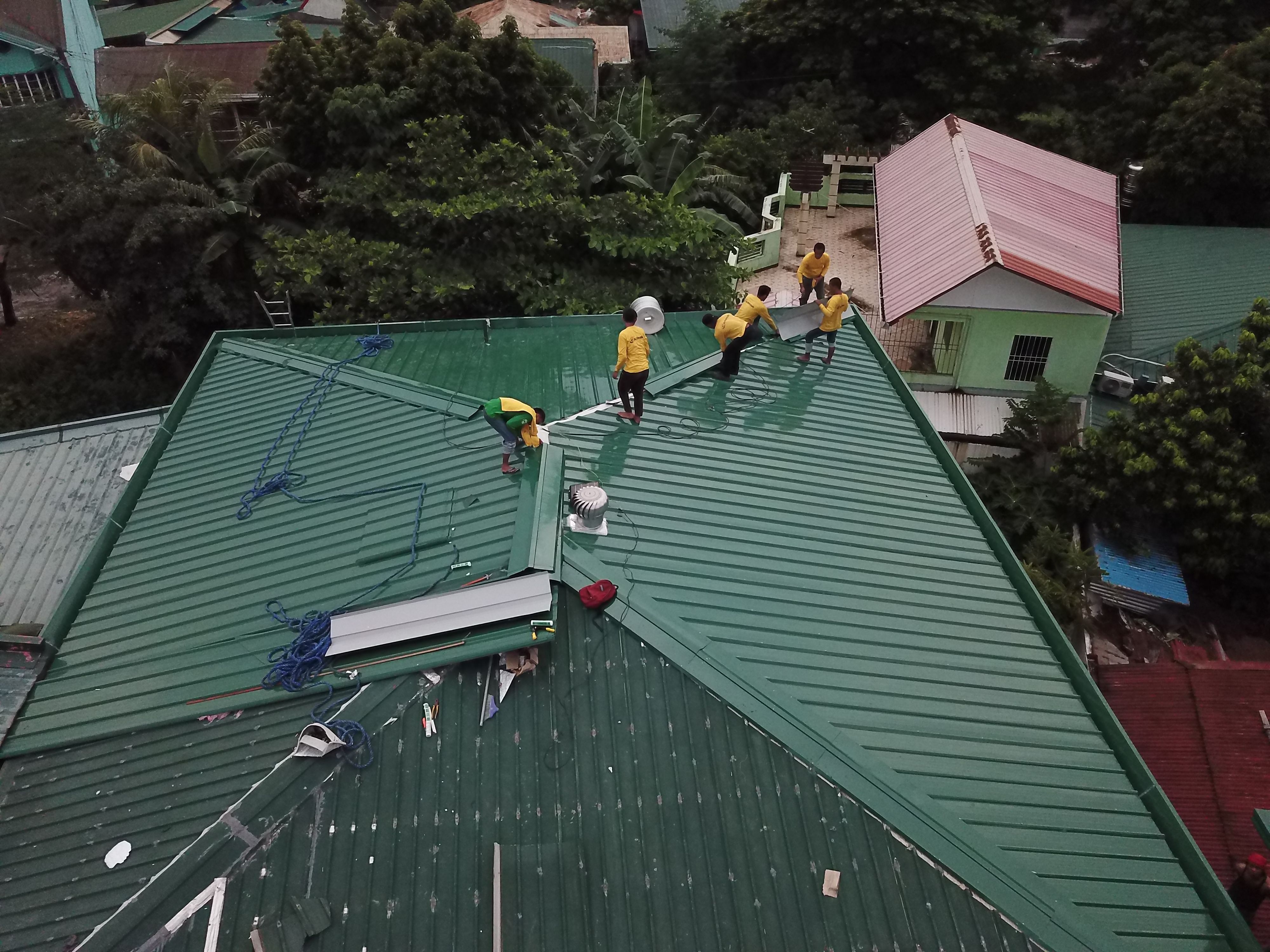
Surface waterproofing is the application of a protective coating, membrane or sealant directly onto an exposed surface — such as a roof, terrace, balcony or wall — to prevent water penetration. Unlike structural waterproofing that protects buried concrete, surface waterproofing treats the visible face that contacts rain, humidity or standing water.
In the UAE, surface waterproofing is critical because flat roofs collect rainwater, terraces carry foot traffic and humidity, and external walls face driving rain during winter storms. Without proper surface protection, water enters through micro-cracks, expansion joints and porous concrete, causing ceiling stains, wall damp and reinforcement corrosion.
Types
Polyurethane, acrylic or elastomeric coatings are rolled or sprayed directly onto the surface. They create a seamless layer with no joints, making them ideal for roofs with many pipes, AC units and irregular shapes. PU coatings offer the best flexibility and UV resistance.
Bitumen or synthetic sheet membranes are laid and heat-welded or adhesive-bonded to the surface. They provide a thick, durable barrier suited to large flat areas. Laps must be properly sealed to prevent edge ingress.
Cement-based coatings are applied to concrete surfaces in wet areas like bathrooms and water tanks. They bond well to concrete, are easy to apply, and are cost-effective for internal use where UV resistance is not needed.
Crystalline products penetrate into the concrete surface and grow crystals that block water. Used for basements, tanks and lift pits where the waterproofing needs to work from inside the concrete itself. See our crystalline waterproofing page.
Wet areas
Wet area waterproofing protects rooms that regularly contact water. A liquid membrane or sheet membrane is applied under tiles to stop water seeping through the slab and causing leaks, stains or mould in rooms below.
In UAE apartments and villas, failed wet area waterproofing is the single most common cause of ceiling water stains. The original waterproofing under tiles degrades over 8–12 years, especially around drain connections, wall-floor junctions and shower niches.
DryGuard.ae provides wet area waterproofing for bathrooms, kitchens, laundries and pool surrounds across Dubai, Sharjah, Ajman, RAK and all UAE emirates. We inspect the existing condition, remove tiles where necessary, apply the correct membrane system, and ensure proper curing before retiling.
Cost
Surface waterproofing costs in the UAE range from AED 45–130 per square metre. Acrylic roof coatings sit at the lower end (AED 45–70/m²), PU coatings in the middle (AED 80–130/m²), and bitumen membranes for large surfaces at AED 60–100/m².
Wet area waterproofing for bathrooms typically costs AED 50–80/m² including membrane application and tile removal/replacement when needed. Cost depends on bathroom size, condition and whether full tile removal is required.
For an accurate quote, call +971 52 246 2601 for a free inspection. We do not give fixed prices without seeing the actual surface condition.
FAQ
Surface waterproofing is applying a coating, membrane or sealant to an exposed surface — roof, terrace, balcony or wall — to prevent water penetration through the visible face.
Wet area waterproofing protects bathrooms, kitchens and laundries by applying a membrane under tiles to stop water seeping through the slab into the floors or rooms below.
Acrylic coatings last 5–7 years, PU coatings 7–10 years and bitumen membranes 10–15 years in the UAE. Lifespan depends on UV, traffic, ponding and drain maintenance.