Waterproofing blog
What Happens If You Ignore a Small Roof Leak? A UAE Property Owner's Guide
Understanding the risks of delaying roof leak repairs and how small leaks can become expensive problems for UAE property owners.
Waterproofing blog
Understanding the risks of delaying roof leak repairs and how small leaks can become expensive problems for UAE property owners.
Hidden damage
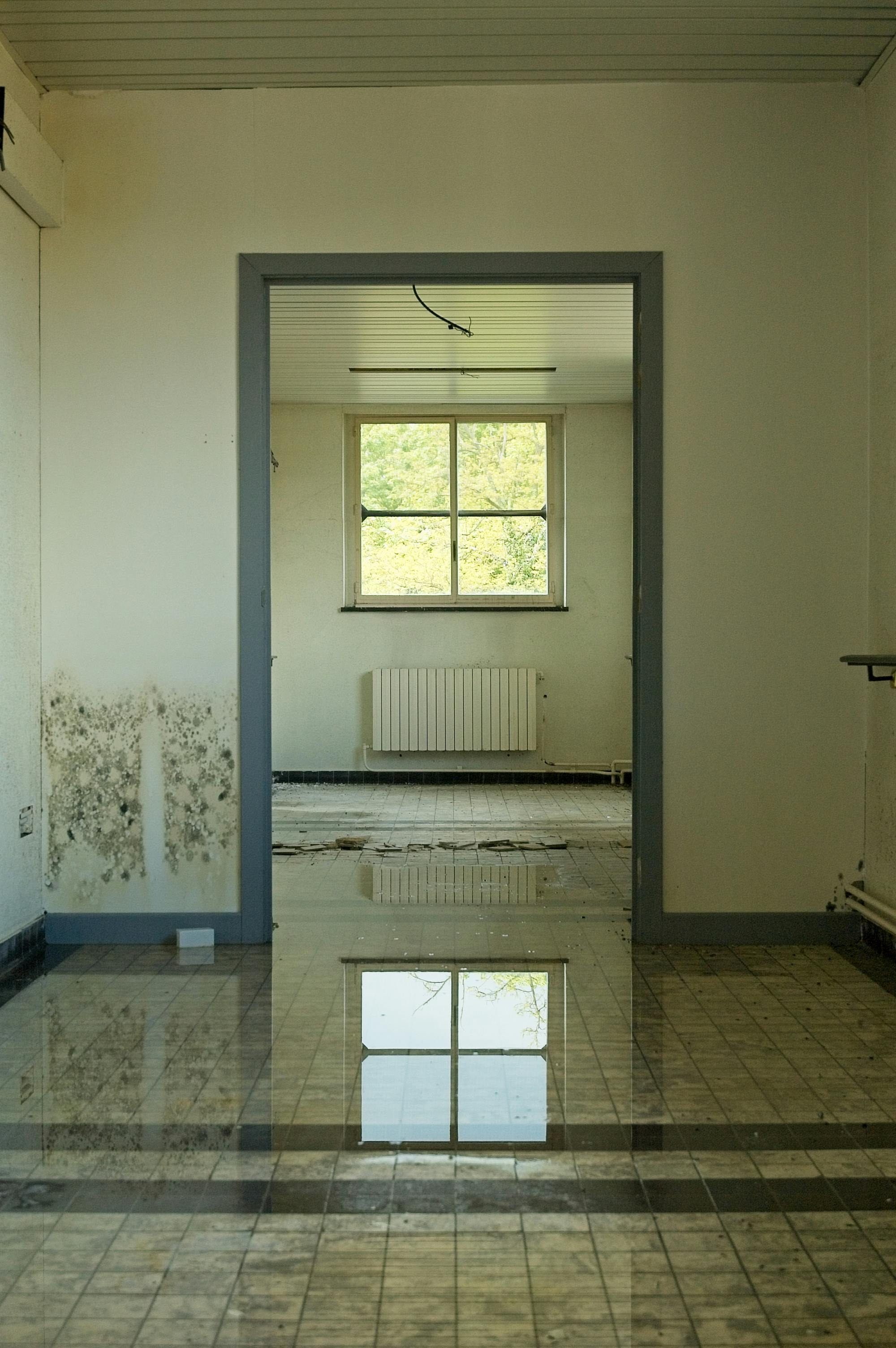
A small roof leak may seem like a minor issue, especially if it only appears during heavy rain. But water does not stay still. It travels through concrete, insulation, and ceiling boards, causing damage far from the entry point. In the UAE climate, the warm temperatures and high humidity accelerate every type of damage, from mould growth to steel corrosion.
The first visible signs are usually yellow or brown stains on the ceiling, bubbling paint, or a musty smell. Behind the plaster, the insulation becomes wet and loses its effectiveness. The plasterboard softens. If water reaches electrical conduits, it creates a safety risk. If it reaches wooden elements, rot and termite attraction can follow.
Structural risks
Over time, continuous water entry weakens the concrete slab and the reinforcement steel inside it. Chlorides from rainwater and atmospheric salts can reach the steel, causing corrosion that expands and cracks the concrete. This is known as concrete spalling and is one of the most expensive structural repairs a building can face.
Ceiling boards and gypsum partitions also suffer. Wet gypsum loses strength and can sag or fall. Light fixtures and ceiling fans mounted on damp boards can become loose. The damage often spreads horizontally because water follows the path of least resistance, affecting multiple rooms before it is noticed.
Health and cost
Mould can begin to grow on damp surfaces within 24-48 hours in Dubai's humid months. It appears as dark spots on ceilings and walls and can produce a musty smell that affects indoor air quality. For people with allergies, asthma, or respiratory issues, mould is a health concern. Removing mould requires more than cleaning the surface; the source of moisture must be fixed first.
The cost of repair also increases with time. A small roof leak that could be fixed for AED 3,000-5,000 can become a ceiling repair, insulation replacement, and waterproofing project costing AED 15,000-30,000. If structural spalling occurs, the repair can reach AED 50,000 or more. Early repair is always cheaper.
Act early
If you see a stain, call a waterproofing contractor immediately, even if the leak is not yet dripping. The contractor can inspect the roof, find the source, and stop water entry before it causes further damage. In many cases, the repair is small and localised if caught early.
After the repair, monitor the area for the next two or three rain events. If no new stain appears, the repair is likely successful. If the stain returns, the source may not have been correctly identified. A reputable contractor will return and investigate until the issue is resolved.
Related services
DryGuard.ae provides roof leak inspection, repair, and waterproofing for villas, apartments, warehouses, and commercial buildings across the UAE. We find the source, fix the entry point, and provide a written warranty.
Timeline of damage
In the first few days after water enters the roof, the damage is mostly cosmetic. A small yellow or brown stain appears on the ceiling paint, and the plasterboard may feel slightly soft. If the weather stays dry, the stain may dry out and the owner may forget about it. However, the water path remains open and the next rain will add more water to the same area.
Within one to two weeks, the ceiling boards begin to absorb more water. The paint starts to bubble and peel. The gypsum board loses strength and the fixing screws may rust. If the leak is near a light fixture, water may pool inside the fitting or run down the cable. At this stage, the repair still involves treating the roof leak and repainting the ceiling, but the ceiling board may need replacement.
After a month or more, the problem moves from cosmetic to structural. The water reaches the concrete slab and the steel reinforcement. If chlorides from rainwater or sea air are present, the steel begins to corrode. Corroding steel expands and cracks the concrete, causing spalling. Spalling is expensive to repair and can weaken the slab. The insulation, if present, becomes saturated and loses its thermal performance.
Long-term leaks also affect the building's indoor air quality. Mould grows on damp plaster and ceiling boards. The musty smell can spread through the AC ducts. In a hot, humid climate like the UAE, mould can establish itself quickly. Once mould is present, the ceiling may need to be removed and the area treated before any waterproofing work is done.
Cost escalation
A small roof leak repair in Dubai typically costs between AED 2,000 and AED 5,000 if it is caught early. This includes inspection, cleaning, crack treatment, and the application of a new waterproofing layer. If the ceiling only needs repainting, the total cost remains low. The key is to address the leak before it spreads.
If the leak is left for several months, the repair may involve replacing ceiling boards, insulation, and light fixtures. The cost can rise to AED 10,000 to AED 20,000. In apartments, the leak may damage the unit below, leading to liability and disputes with neighbours. In commercial buildings, water can damage stock, equipment, and documents, causing business interruption.
When structural damage occurs, the costs increase sharply. Concrete spalling repair can cost AED 30,000 to AED 80,000 depending on the size and location of the slab. If the reinforcement is badly corroded, the repair may require breaking out the concrete, cleaning or replacing the steel, and re-casting the slab. This work is noisy, dusty, and disruptive, and may require the building to be partially evacuated.
Preventive waterproofing is almost always cheaper than reactive repair. A small annual inspection and touch-up can identify problems before they become serious. For landlords and facility managers, this is a sensible maintenance budget item. For homeowners, it protects the value of the property and avoids the stress of emergency repairs during a storm.
When to act
The first sign of a roof leak is usually a stain on the ceiling or a drip during rain. But some signs require immediate action. If water is dripping from a light fixture or electrical fitting, turn off the power to that area and call a professional. If the ceiling is sagging or bulging, it may be close to collapsing. Do not try to drain it yourself; a contractor can do this safely.
If the leak appears after a storm and the area around it is large or spreading, the roof may have multiple entry points. High winds can lift membranes, dislodge tiles, and open flashing details. An emergency tarp can provide temporary protection, but it is not a permanent solution. The roof must be inspected as soon as the weather allows.
A musty smell, visible mould, or persistent dampness even when it is not raining suggests an ongoing leak. The source may be plumbing, AC, or groundwater rather than rain. Moisture mapping and thermal imaging can help locate the source. If the smell is strong, the area may need mould remediation before waterproofing.
You should also call a waterproofing contractor if the leak has been present before and has returned after a previous repair. This usually means the source was not correctly identified or the repair was not done properly. A reputable contractor will investigate the cause, not just patch the symptom, and provide a warranty for the work.
Property value
A roof leak is not just a maintenance issue; it is a red flag for buyers, tenants, and insurers. In Dubai's competitive property market, a visible water stain on a ceiling can reduce a property's perceived value and make it harder to sell or rent. Buyers will negotiate down or demand a professional inspection, and the inspection report will likely highlight the leak as a major concern.
Insurance companies may reject claims or limit coverage if the leak is due to neglect or poor maintenance. Most policies cover sudden and accidental damage, not gradual leaks that were ignored for months. If the leak causes damage to another unit or to a neighbour's property, the owner may be liable. In rental properties, landlords can face disputes with tenants and may be required to compensate for damaged belongings.
The best way to protect property value is to address leaks immediately and keep records of all repairs. A completed waterproofing project with a warranty and inspection report is a selling point. It shows that the property has been maintained and that the roof is protected. Ignoring a leak is a small saving that can become a large loss.
Prevention
The most effective way to avoid the high cost of a neglected roof leak is to catch it early. Schedule a roof inspection at least once a year, ideally in October before the winter rain season and in April after the summer heat. A professional inspection will identify cracked coatings, blocked drains, loose flashings, and damaged fasteners before they cause leaks.
Keep gutters and drains clear. In Dubai, sand, leaves, and construction debris can block drains quickly. A blocked drain creates a pond that puts hydrostatic pressure on the waterproofing. Clear the drains after every sandstorm and before the rainy season. Also trim any trees that overhang the roof to reduce leaf and branch debris.
After any roof work, such as AC installation, satellite dish mounting, or solar panel installation, have the waterproofing inspected. Tradespeople often create small punctures or dislodge flashings. Fixing these early prevents water from entering. Annual maintenance from a waterproofing professional is the cheapest insurance against major repair costs.
Repair options
The right repair option depends on the size and cause of the leak. For a small, isolated leak caused by a crack or failed detail, a local repair may be sufficient. This involves cleaning the area, applying a compatible patch, and reinforcing the detail. Local repairs are fast and cost-effective, but they only work if the rest of the roof is in good condition.
For larger leaks or widespread coating failure, a partial re-waterproofing may be needed. This involves stripping the failed coating in the affected area, repairing the substrate, and applying a new system. The new system must be compatible with the remaining roof waterproofing. This is more expensive than a local repair but cheaper than full replacement.
Full re-waterproofing is the last resort. It is needed when the existing system is unsuitable, the substrate is damaged, or leaks are appearing across the entire roof. Full replacement gives the longest-lasting result and allows the contractor to address all details, drainage, and substrate issues. The decision should be based on inspection, not guesswork.
Responsibilities
In the UAE, roof maintenance and leak repair are usually the landlord's responsibility unless the lease states otherwise. Landlords must provide a property that is safe and fit for living. If a roof leak causes damage to the tenant's belongings, the landlord may be liable, especially if the leak was due to neglect or failure to maintain the roof.
Tenants must report leaks as soon as they notice them. A delay in reporting can make the damage worse and may affect the tenant's claim for compensation. Tenants should also avoid blocking drains or causing damage to the waterproofing. If a tenant installs equipment on the roof without permission, they may be responsible for any resulting leaks.
For residential villas and townhouses, the owner is responsible for the roof. For apartments, the building owner or management company is responsible for the common roof, while the owner of the unit above may be responsible for leaks from their bathroom. When a dispute arises, a professional inspection report is essential. The report should identify the source, the extent, and the likely cause, and can be used to allocate responsibility and support an insurance claim.
Seasonal risks
Dubai's winter rains are often the first time a property owner realises there is a roof leak. The rain may be only a few millimetres, but it finds every crack and defect. A small gap in the waterproofing can let a surprising amount of water into the building. The first storm is a test of the roof's condition.
Summer heat makes the damage worse. After a leak, the water that enters the roof cavity is heated by the sun to 70C or more. This accelerates mould growth, wood rot, and corrosion. It also causes the waterproofing around the leak to degrade faster, making the next leak larger and easier.
The combination of rare rain and intense heat means that leaks can be hidden for months. A roof may look fine until the next rain, but the damage inside continues. A temporary tarp is not a solution. While it can reduce water entry during a storm, it does not address the underlying failure. Annual inspections are essential to catch a leak in the dry season and repair it before the next rain.
Summary
A small roof leak is one of those problems that grows quickly in the UAE climate. What starts as a faint stain on the ceiling can become mould, structural spalling, and a major repair bill. The heat and humidity mean that water damage does not wait for you to be ready. Every rain event adds more water to the same area, and every hot day accelerates the damage.
The cost of early repair is a fraction of the cost of neglect. A few thousand dirhams spent on inspection and waterproofing today can save tens of thousands in ceiling, insulation, and structural repairs later. It also protects the health of the occupants, the value of the property, and the relationship between landlords and tenants.
If you see a stain, smell dampness, or notice a drip during rain, act immediately. Call a professional waterproofing contractor, document the damage, and fix the source. The sooner you act, the smaller the repair and the better the long-term outcome. A quick response is the best investment you can make in your property.
DryGuard.ae provides emergency roof leak inspection and repair across Dubai and the UAE. We find the source, fix the entry point, and give you a written warranty. Do not let a small leak become a big problem. Contact us as soon as you notice the first sign of water.